Serena Williams IQ
Serena Williams has no verified public IQ score. Our editorial estimate is 125+, based on public evidence rather than a test. Dominant tennis champion known for competitive intensity, resilience, and high-performance execution under pressure.
Serena Williams' estimated IQ is 125+. What's yours?
25 questions · about 12 minutes
What would you score? Try question 1.
Which option completes the grid? One tap, no sign-up.
Key facts
- Known for
- Professional Tennis Player
- Estimated IQ
- 125+
- Basis
- Editorial estimate from public evidence. No verified test score.
- Archetype
- The Warrior
- Fields
- Sports, Performance, Discipline, Competition
This profile interprets the public record: biographies, interviews and documented events. It is not a clinical diagnosis. Editorial policy
Key takeaways
- Elite performance is emotional regulation plus execution, not calmness alone.
- Competitive intensity becomes an asset when it’s channeled into routines.
- Resilience is trained by returning after setbacks with a clearer system.
- Identity can fuel output, but it must be protected from one-match outcomes.
- Longevity requires recovery discipline as much as training discipline.
Profile summary
A warrior-competitor profile defined by extreme competitive drive, high pressure tolerance, and the ability to execute while emotionally activated. The signature advantage is “activation control”: converting intensity into performance rather than chaos. In sport psychology terms, this is not merely confidence, it’s a repeatable routine that stabilizes attention under threat. The upside is dominance in high-stakes moments: the willingness to fight through discomfort, adjust tactically, and keep believing after momentum shifts. The tradeoffs are predictable. High competitiveness can create volatility when identity fuses with outcome, and public scrutiny can intensify emotional load. Longevity also creates a second challenge: motivation changes once you’ve already won everything. The healthiest version of this profile evolves from proving to mastering, using discipline, recovery, and meaning to sustain training when novelty fades. The practical lesson is that intensity is not the enemy; unstructured intensity is. Structured intensity, paired with routines and recovery, becomes an engine.
Psychological traits
Conscientiousness
HighTraining discipline and long-term commitment to mastery; repeatable routines under pressure.Competitiveness
HighStrong drive to win and dominate; thrives in high-stakes moments.Resilience
HighReturns after setbacks and adversity; re-engages with the process rather than collapsing.Emotional intensity
HighHigh activation state; can boost performance if regulated, destabilize if unchanneled.Focus
HighAbility to narrow attention to controllables in decisive points.Adaptability
MediumAdjusts style and strategy across eras and opponents; balances power with tactics.
Cognitive style
Strengths
- Execution under pressure
- Structured intensity and activation control
- Tactical adjustment during momentum swings
- Long-horizon mastery mindset
Risks and tradeoffs
- Identity fusion with outcomes
- Emotional volatility under unfairness or scrutiny
- Motivation dip after repeated success
- Overtraining risk without recovery discipline
How it shows up
- Elevates in decisive points rather than shrinking
- Uses routines to stabilize attention (serve, reset, reframe)
- Turns disrespect or doubt into fuel
- Sustains excellence across multiple competitive eras
Psychological timeline
Breakthrough major win
1999Early proof of high pressure tolerance; belief becomes anchored in real outcomes.Dominance peak
2002 to 2003Competitive identity consolidates; routines and confidence compound.Return after major life change
2017Resilience pattern: re-engage with process, accept new constraints, compete anyway.Late-career adaptation
2018 to 2022Sustains performance under increased scrutiny and changing physical constraints; meaning and recovery become central.
Evidence from the public record
- 01
Pressure execution is a stable differentiator.
Across high-stakes matches, the pattern described by observers and supported by career records is elevation in decisive moments rather than avoidance. That aligns with a psychological profile of high activation control: intensity is present, but attention is repeatedly brought back to controllables through routine.
Sources: Match statistics and career milestones (public records), 1995 to 2022; Match reporting and career retrospectives (selected), 1999 to 2022
- 02
Routines and mental resets function as performance infrastructure.
Elite performance under pressure is rarely “natural calm.” Sport psychology literature emphasizes routines, attentional control, and reset behaviors that stabilize execution when arousal spikes. Public-facing descriptions of preparation and match process fit this framework: repeated between-point routines reduce cognitive noise, protect mechanics, and keep attention on controllables. The point is not to remove emotion, it’s to structure it.
Sources: Sport psychology on routines, pressure, and performance (selected), 1980 to 2020; Documentary/long-form features on training and career (selected), 2010 to 2022
- 03
Resilience shows up in multiple comeback phases.
Career arcs include returns after setbacks and changing constraints, which is the signature of resilience rather than a smooth dominance narrative. The pattern is re-engagement with training, willingness to compete under new conditions, and psychological flexibility to pursue mastery instead of perfect control. That flexibility matters because late-career competition adds scrutiny and physical constraints that punish rigid identity.
Sources: On the Line, Serena Williams, 2010; Interviews and press conferences (selected), 2000 to 2022
Decision patterns
Activation control
Uses intensity as energy and focus, then stabilizes it through routines.
Tradeoff: When routines break, intensity can spill into frustration and distraction.
Fight-through mindset
Treats setbacks as temporary; keeps returning to controllables until momentum shifts.
Tradeoff: Can increase wear-and-tear if recovery is underweighted.
Identity-protective reframing
Frames competition as proving capability rather than avoiding failure.
Tradeoff: If identity becomes fused with winning, losses can feel existential.
The mindset in brief
In Serena Williams' words
“I really think a champion is defined not by their wins but by how they can recover when they fall.”
Key lessons
- Structured intensity
- Recovery as a skill
- Resilience is trainable
Misconceptions
Elite athletes are always calm.
Many are emotionally activated; the difference is regulation, channeling intensity into execution.Talent is the main driver.
Talent starts the journey, but dominance is routines, recovery, and pressure execution repeated for years.
Recommended reading
On the Line
Serena Williams, 2010
First-person perspective on competition, pressure, and identity.Sport psychology on pressure routines
1980 to 2020
Background on why routines and resets predict performance under stress.
Serena Williams: common questions
What is Serena Williams’s most defining psychological advantage?
Is the IQ estimate verified?
Do elite athletes need to be calm?
What is “activation control”?
What’s the biggest risk of extreme competitiveness?
What can normal people learn from this profile?
More profiles
- Cristiano RonaldoProfessional Footballer and Global Sports Icon126
- Dwayne JohnsonActor, Producer, and Former Professional Wrestler125
- Elon MuskTechnoking of Tesla155
- Jeff BezosFounder of Amazon150+
- Oprah WinfreyMedia Executive & Host135+
- Taylor SwiftSinger-Songwriter125
- Albert EinsteinTheoretical Physicist160+
- Ariana GrandeGrammy-Winning Artist and Actress131
- Barack Obama44th President of the United States
- BeyonceArtist and Business Mogul136
- Bill GatesCo-Founder of Microsoft160
- Donald Trump45th and 47th President of the United States
Historical figures like Serena Williams
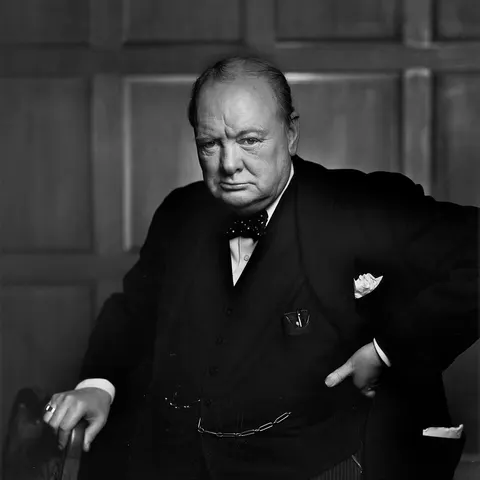 Winston Churchill IQWWII135
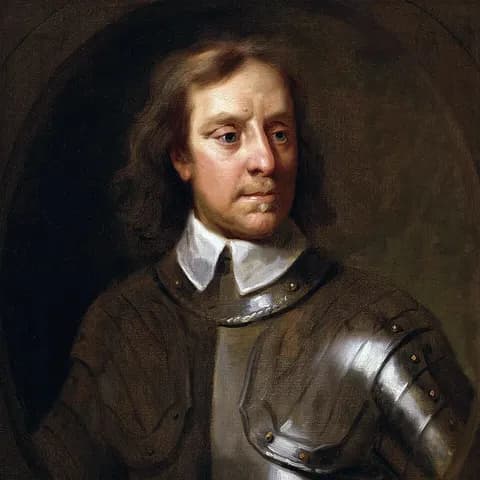 Oliver Cromwell IQ17th Century125+
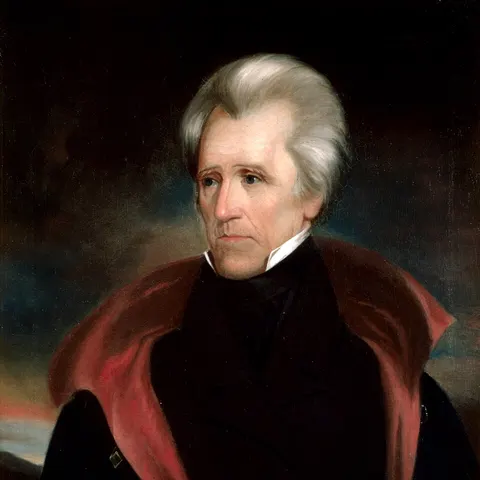 Andrew Jackson IQ19th Century125+
Keep exploring
- Personality TestWho are you?
- ConscientiousnessPersonality
- ResilienceEmotional Health
- All public figure profilesModern minds, profiled from the public record
- Famous IQs in historyHistorical figures ranked with ranges and sources
- All testsEvery LifeScore assessment
- Psychology glossaryKey terms explained
Serena Williams' estimated IQ is 125+. What's yours?
Serena Williams' figure is an estimate from the public record. Yours can come from a real test: 25 visual reasoning questions.
25 questions · about 12 minutes
Sources
- On the Line, Serena Williams, 2010
- Match reporting and career retrospectives (selected), 1999 to 2022
- Interviews and press conferences (selected), 2000 to 2022. Used only for high-level patterns.
- Sport psychology on routines, pressure, and performance (selected), 1980 to 2020
- Match statistics and career milestones (public records), 1995 to 2022
- Documentary/long-form features on training and career (selected), 2010 to 2022
- Simonton, D. K. (2006). Presidential IQ, openness, intellectual brilliance, and leadership. Political Psychology, 27(4), 511-526.
- McCrae, R. R., & Costa, P. T. (2008). The Five-Factor Theory of Personality. In O. P. John et al. (Eds.), Handbook of Personality (3rd ed.).
Last reviewed August 2026.