The smartest kings, queens and emperors in history
Alexander the Great ranks first among 18 rulers at 150+. Hereditary monarchs are the hardest people in history to estimate: courtiers flattered them, and Catharine Cox's 1926 study left out people whose fame came mainly from birth, so most of these figures are editorial markers.
Alexander the Great: 150+. What's yours?
25 questions · about 12 minutes
What would you score? Try question 1.
Which option completes the grid? One tap, no sign-up.
All 18, ranked
| # | Name | Estimate |
|---|---|---|
| 1 | 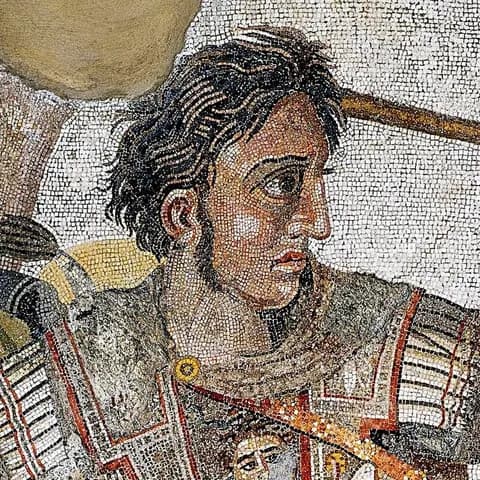 Alexander the Great King of Macedonia | 150+ |
| 2 | Augustus Caesar First Roman Emperor | 150+ |
| 3 | 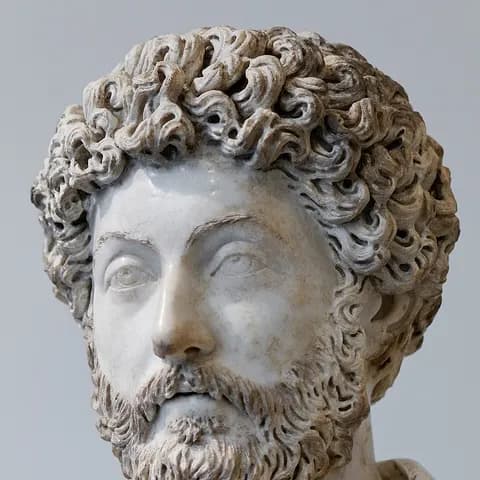 Marcus Aurelius Roman Emperor & Philosopher | 145+ |
| 4 | 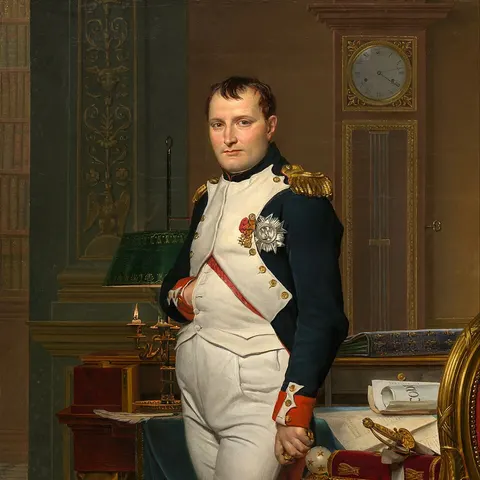 Napoleon Bonaparte Emperor of the French, 1769 to 1821 | 145 |
| 5 | 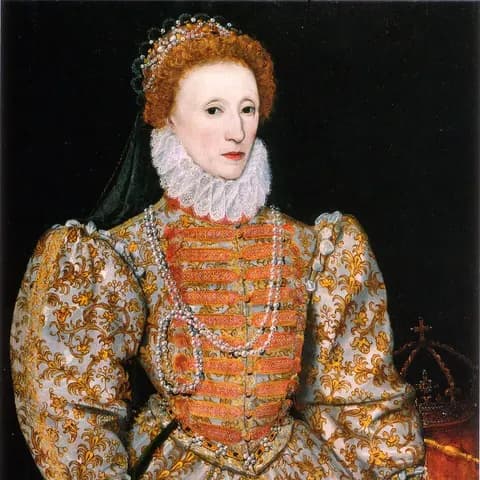 Queen Elizabeth I Queen of England | 145+ |
| 6 | Akbar the Great Mughal Emperor, 1542 to 1605 | 140 |
| 7 | 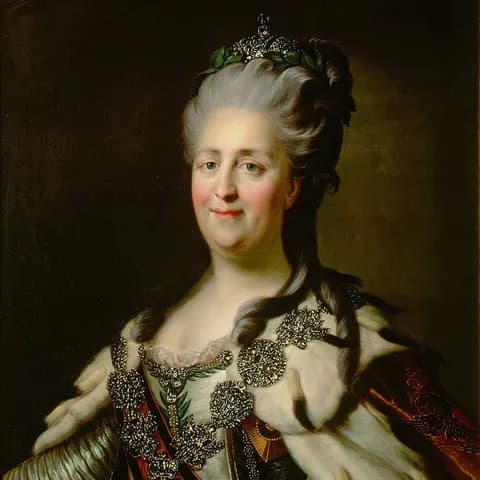 Catherine the Great Empress of Russia | 140+ |
| 8 | 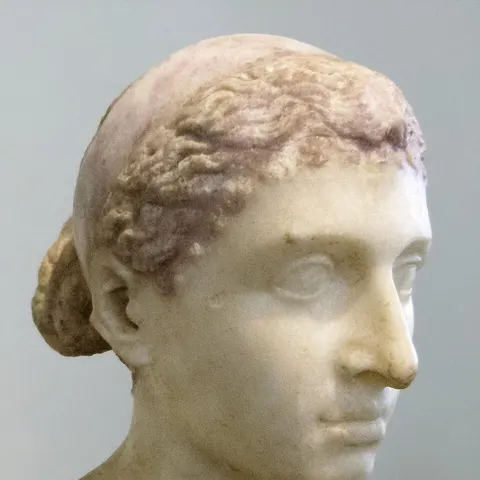 Cleopatra Pharaoh of Egypt, 69 to 30 BC | 140 |
| 9 | 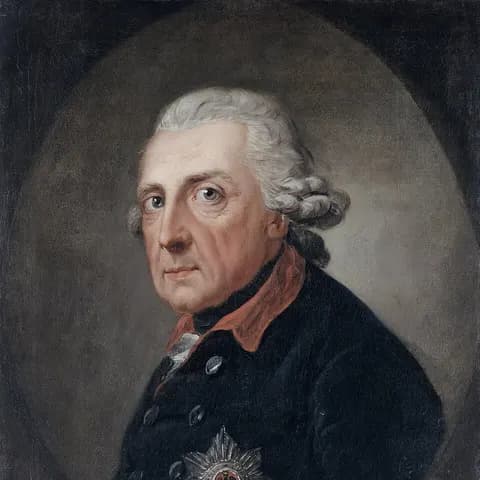 Frederick the Great King of Prussia, 1712 to 1786 | 140+ |
| 10 | Suleiman the Magnificent Ottoman Sultan, 1494 to 1566 | 140 |
| 11 | Ashoka Mauryan Emperor, c. 304 to 232 BC | 135 |
| 12 | Henry VIII King of England, 1491 to 1547 | 135 |
| 13 | 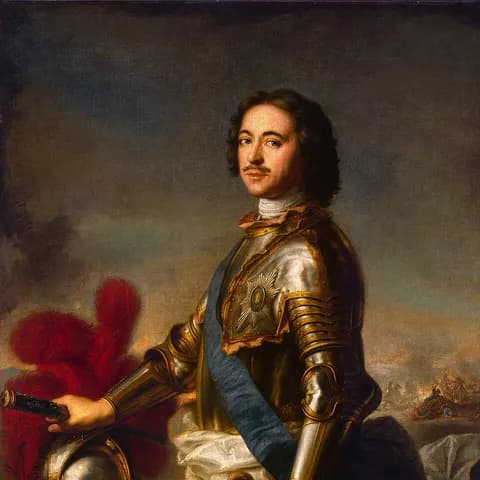 Peter the Great Tsar and Emperor of Russia, 1672 to 1725 | 135+ |
| 14 | 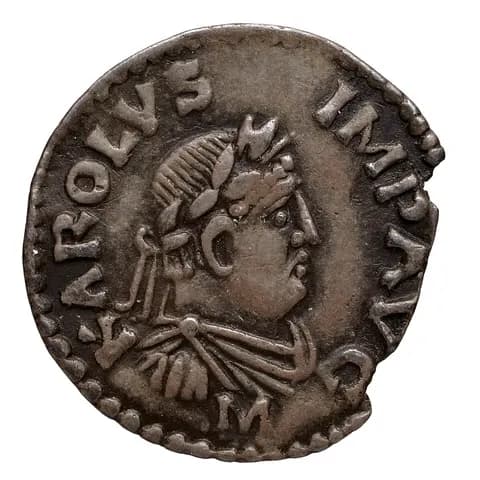 Charlemagne King of the Franks & Emperor, c. 747 to 814 | 130+ |
| 15 | 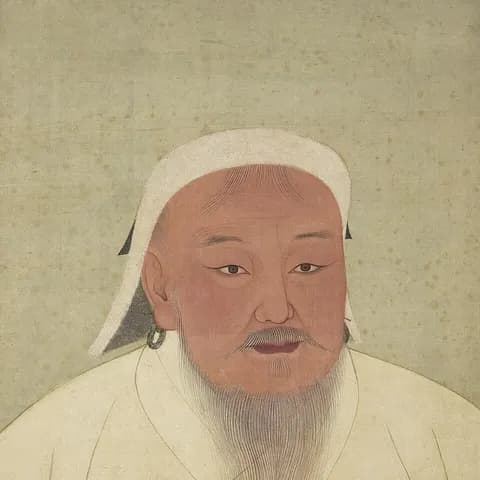 Genghis Khan Founder of the Mongol Empire | 130+ |
| 16 | Louis XIV King of France, 1638 to 1715 | 130 |
| 17 | 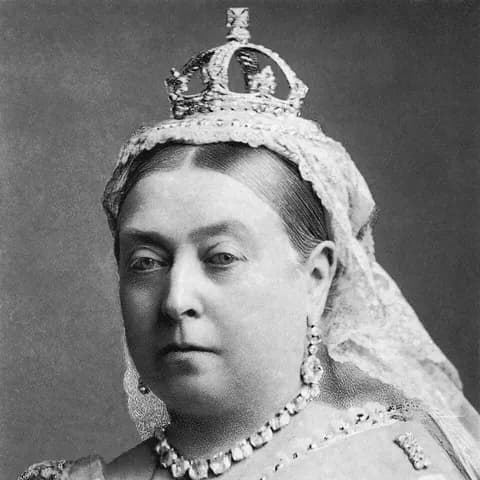 Queen Victoria Queen of the United Kingdom | 130+ |
| 18 | Saladin Sultan of Egypt and Syria, 1137 to 1193 | 130+ |
Estimate: the working figure on each profile, with its range. None is a measured test score unless the basis says so.
About this list
A ruler's record mixes personal ability with inherited power, able ministers and circumstance. Louis XIV had Colbert, Suleiman had his grand viziers, and Victoria reigned in a constitutional monarchy where governments ruled. The estimates try to credit what each ruler demonstrably did: the languages Elizabeth I spoke, the reforms Peter the Great drove through, the campaigns Alexander planned.
Napoleon is the one ruler with a Cox 1926 figure, because he earned his crown rather than inheriting it. Everyone else has an editorial marker with a wide range and very low confidence, and each profile says what the evidence is.
How would you score?
Where would you land next to Alexander the Great?
Alexander the Great's 150+ is an estimate from the historical record, with a working range of 135 to 160. On the standard IQ scale an IQ of 150 sits at the 99.96th percentile: about 1 in 2,330 people score that high. Nobody can test Alexander the Great now. You can find out where you sit on the same scale.
- 100Average adult50th percentile
- 130Gifted linetop 2%, about 1 in 44
- 150+Alexander the Great's99.96th percentile, about 1 in 2,330
- ?Youscored on the same scale
25 questions · about 12 minutes
What the ranking shows
Conquerors and builders rank highest: Alexander, Augustus and Napoleon combined strategy with administration on a vast scale, and each left detailed evidence of how they thought. Philosopher-rulers such as Marcus Aurelius, whose Meditations survive, and reformers such as Ashoka and Akbar also rank well, because their surviving words show how they reasoned.
Learning does not guarantee good judgement. Henry VIII was one of the best-educated princes of his age and ruled as an erratic tyrant. Frederick the Great wrote philosophy and composed flute sonatas, and also started wars that nearly destroyed Prussia. The estimates measure documented ability, not wisdom.
Some of the most capable rulers had little schooling. Akbar probably never learned to read, yet he built an empire and a library of 24,000 manuscripts by having books read aloud. Genghis Khan was illiterate and created one of the largest empires in history. Their markers rest on what they achieved and how.
Frequently asked questions
Who was the smartest king in history?
Who was the smartest queen?
Did Cleopatra have a high IQ?
Why did Cox leave out kings and queens?
More IQ rankings
- The smartest US presidents22 people, ranked with ranges and sources
- The smartest women in history39 people, ranked with ranges and sources
- The highest IQ philosophers in history43 people, ranked with ranges and sources
- Every historical figure, rankedThe full index with confidence levels
- Famous IQs in historySearch and filter every profile by field and era
- All IQ rankingsPeople, characters, majors and universities
Where would you rank on this list?
Take the test and compare your score with the people above.
25 questions · about 12 minutes