The highest IQ philosophers in history
Hugo Grotius ranks first of 43 philosophers and thinkers at 175. Philosophers dominate the top of Catharine Cox's 1926 study, because their childhoods were often recorded by admiring biographers; none of them took a test, and every number here has a range and a source.
Hugo Grotius: 175. What's yours?
25 questions · about 12 minutes
What would you score? Try question 1.
Which option completes the grid? One tap, no sign-up.
All 43, ranked
| # | Name | Estimate |
|---|---|---|
| 1 | Hugo Grotius Jurist & Scholar, 1583 to 1645 | 175 |
| 2 | 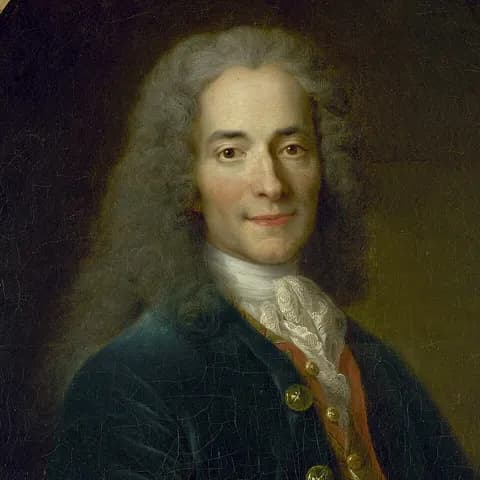 Voltaire Writer & Philosopher, 1694 to 1778 | 170+ |
| 3 | George Berkeley Philosopher & Bishop, 1685 to 1753 | 165 |
| 4 | 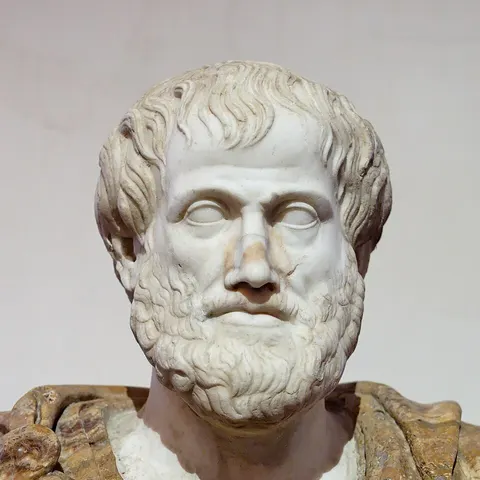 Aristotle Philosopher & Polymath | 160+ |
| 5 | Arthur Schopenhauer Philosopher, 1788 to 1860 | 160 |
| 6 | 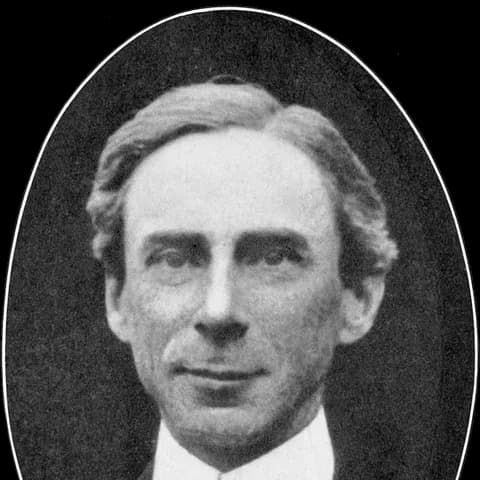 Bertrand Russell Philosopher & Logician, 1872 to 1970 | 160+ |
| 7 | 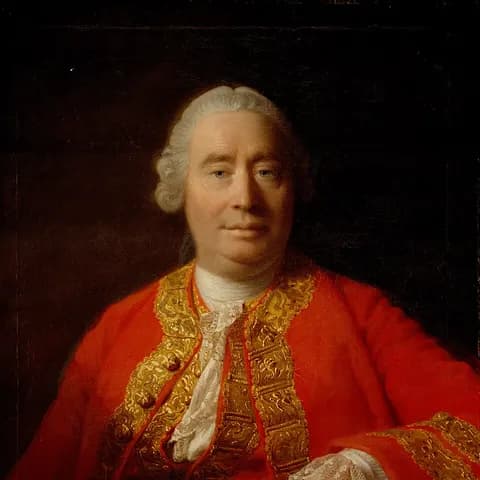 David Hume Philosopher & Historian, 1711 to 1776 | 160+ |
| 8 | 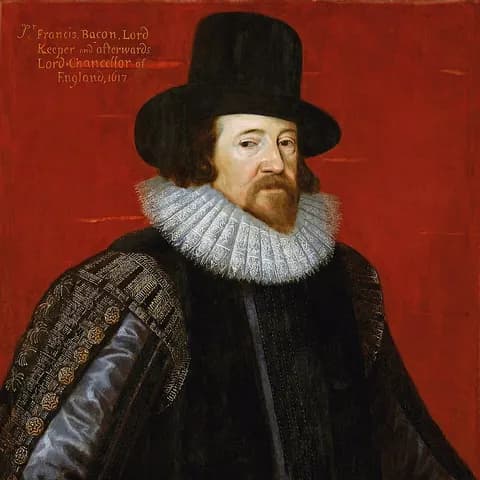 Francis Bacon Philosopher & Statesman, 1561 to 1626 | 160+ |
| 9 | 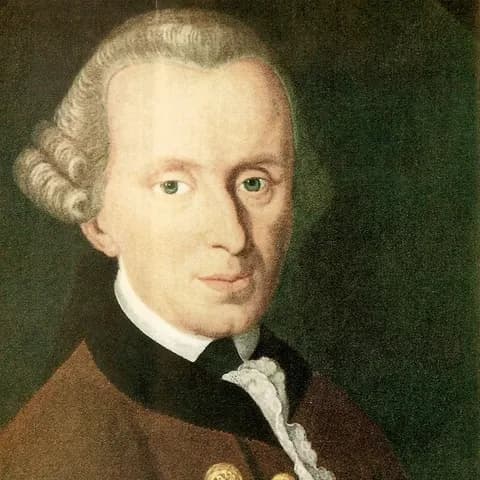 Immanuel Kant Philosopher | 160+ |
| 10 | 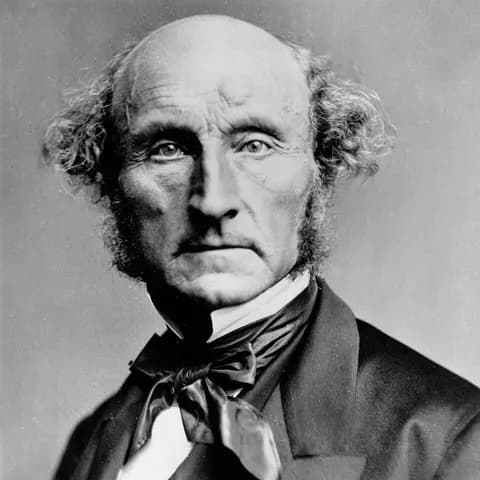 John Stuart Mill Philosopher & Economist, 1806 to 1873 | 160+ |
| 11 | 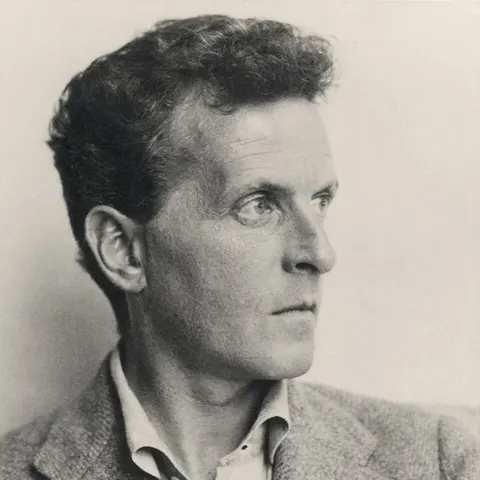 Ludwig Wittgenstein Philosopher, 1889 to 1951 | 160+ |
| 12 | 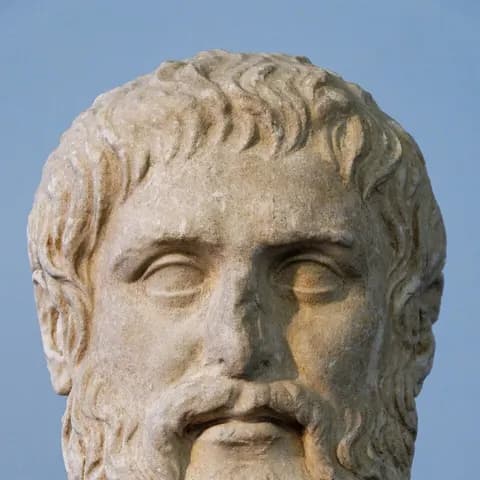 Plato Philosopher | 160+ |
| 13 | Søren Kierkegaard Philosopher, 1813 to 1855 | 160 |
| 14 | Thomas Aquinas Theologian & Philosopher, 1225 to 1274 | 160 |
| 15 | 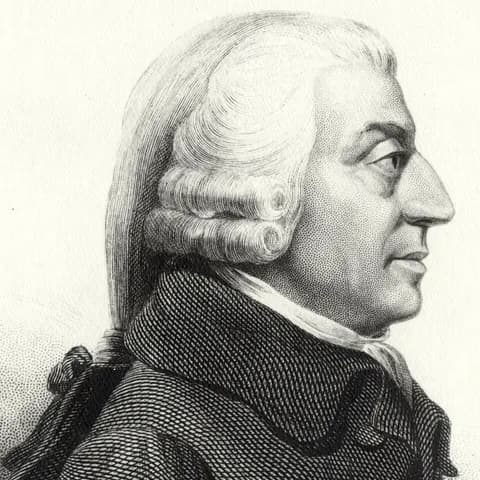 Adam Smith Economist & Philosopher | 155+ |
| 16 | 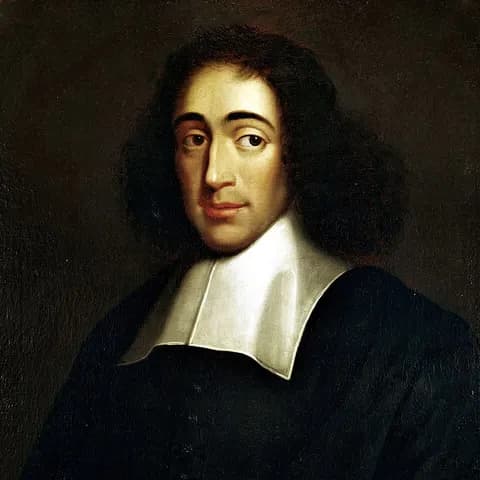 Baruch Spinoza Philosopher, 1632 to 1677 | 155+ |
| 17 | Desiderius Erasmus Humanist Scholar, c. 1466 to 1536 | 155 |
| 18 | 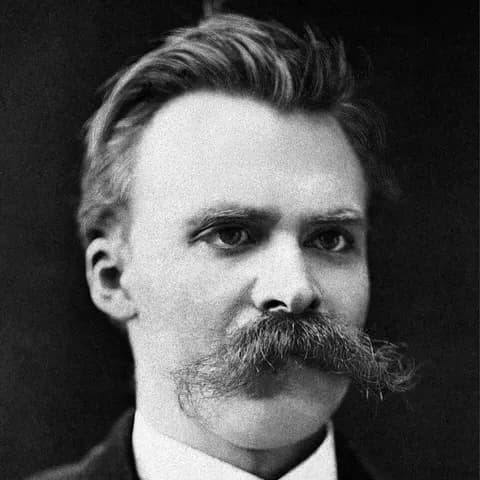 Friedrich Nietzsche Philosopher | 155+ |
| 19 | 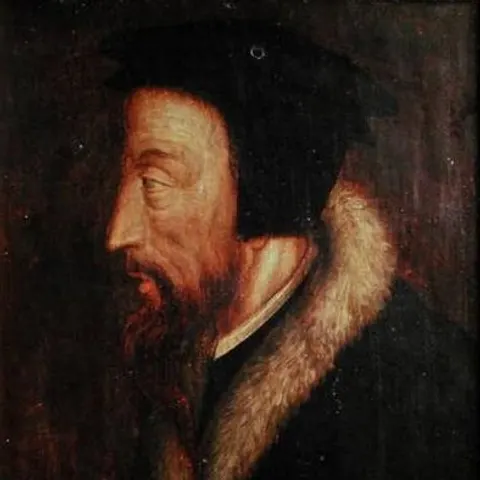 John Calvin Theologian & Reformer, 1509 to 1564 | 155+ |
| 20 | 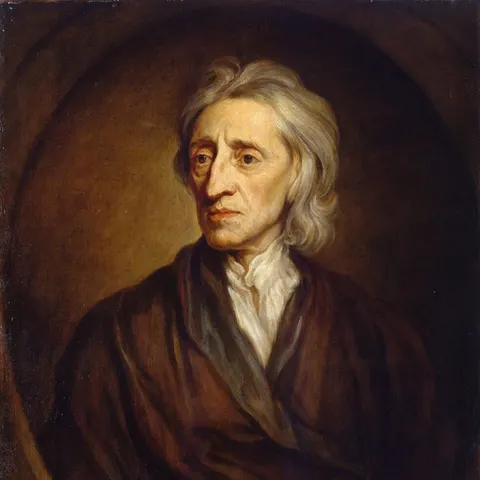 John Locke Philosopher | 155+ |
| 21 | 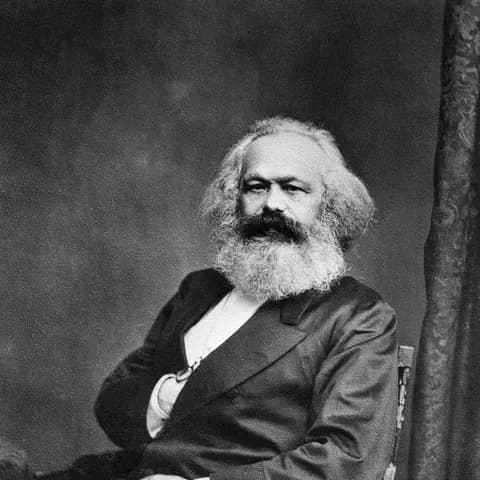 Karl Marx Philosopher & Economist | 155+ |
| 22 | Michel de Montaigne Essayist, 1533 to 1592 | 155 |
| 23 | Saint Augustine Theologian & Philosopher, 354 to 430 | 155 |
| 24 | 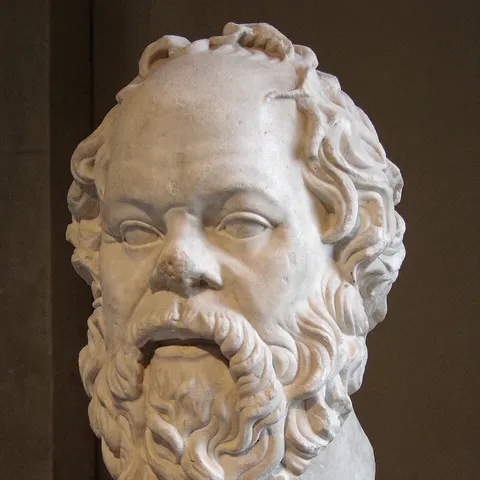 Socrates Philosopher, c. 470 to 399 BC | 155+ |
| 25 | William James Psychologist & Philosopher, 1842 to 1910 | 155 |
| 26 | Carl Jung Psychiatrist & Psychologist | 150+ |
| 27 | Hannah Arendt Political Theorist, 1906 to 1975 | 150 |
| 28 | Jean-Paul Sartre Philosopher & Writer, 1905 to 1980 | 150 |
| 29 | Karl Popper Philosopher of Science, 1902 to 1994 | 150 |
| 30 | Lao Tzu Philosopher | 150+ |
| 31 | 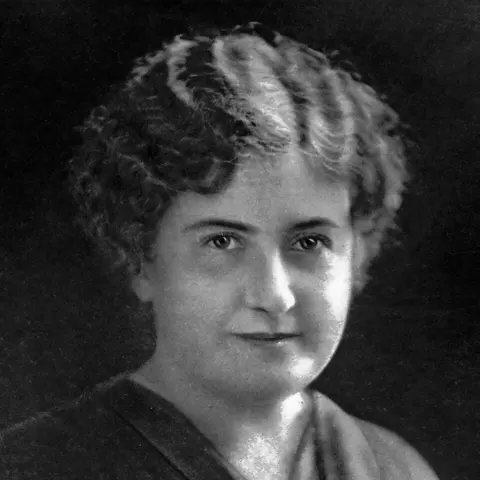 Maria Montessori Educator & Physician | 150+ |
| 32 | 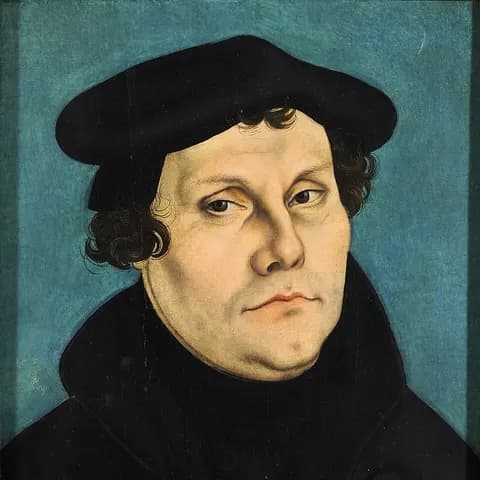 Martin Luther Theologian & Reformer, 1483 to 1546 | 150+ |
| 33 | Simone de Beauvoir Philosopher & Feminist | 150+ |
| 34 |  Alan Watts Philosopher & Speaker | 145+ |
| 35 | Confucius Philosopher | 145+ |
| 36 | 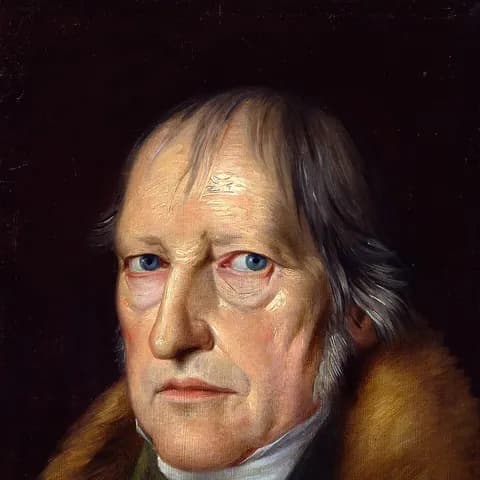 Georg Wilhelm Friedrich Hegel Philosopher, 1770 to 1831 | 145+ |
| 37 | 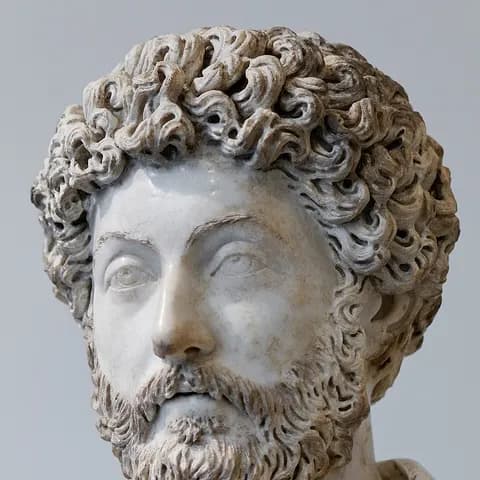 Marcus Aurelius Roman Emperor & Philosopher | 145+ |
| 38 | 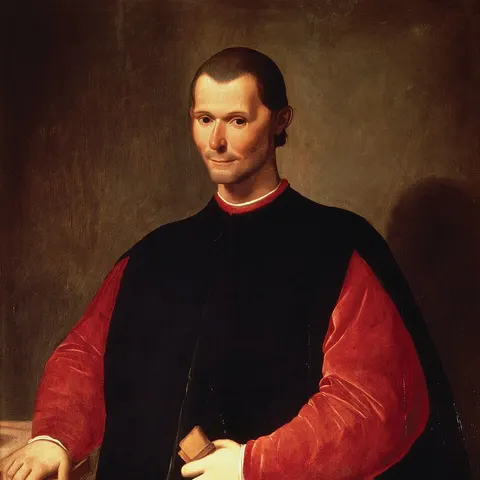 Niccolò Machiavelli Political Philosopher & Diplomat, 1469 to 1527 | 145+ |
| 39 | Seneca Stoic Philosopher & Statesman, c. 4 BC to AD 65 | 145 |
| 40 | 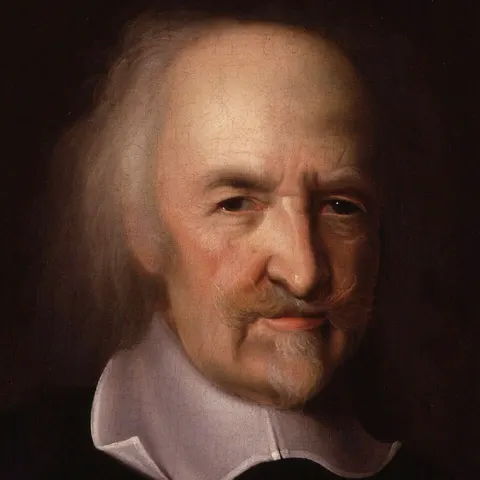 Thomas Hobbes Political Philosopher, 1588 to 1679 | 145+ |
| 41 | 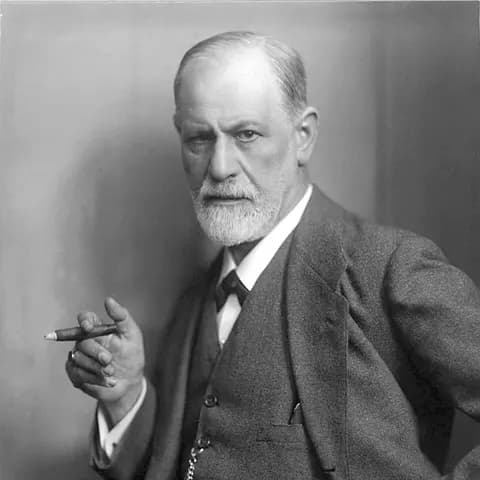 Sigmund Freud Father of Psychoanalysis | 140+ |
| 42 | 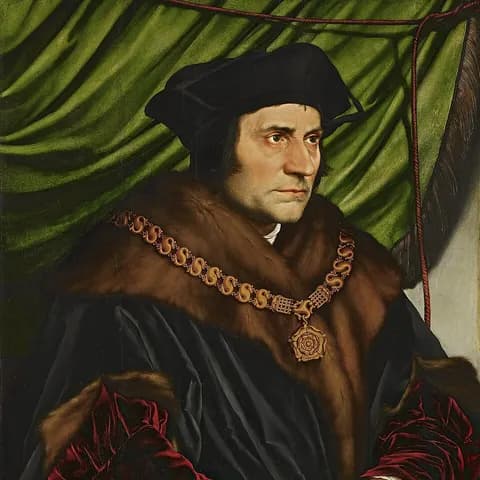 Thomas More Lawyer, Writer & Statesman, 1478 to 1535 | 135+ |
| 43 | 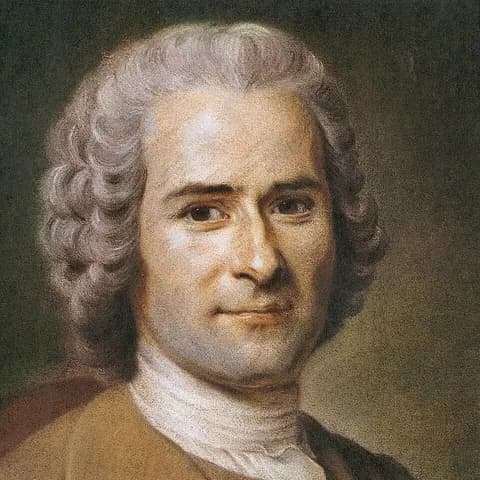 Jean-Jacques Rousseau Philosopher & Writer, 1712 to 1778 | 130+ |
Estimate: the working figure on each profile, with its range. None is a measured test score unless the basis says so.
About this list
Cox's 1926 study is the source of most famous philosopher IQs. She rated people born between 1450 and 1850 from what they could do at each age, and philosophers often had extraordinary documented childhoods: John Stuart Mill learning Greek at three, Leibniz teaching himself Latin at eight, Grotius entering university at eleven. Those records push Cox's figures towards the top of her scale.
For thinkers outside her window, such as Plato and Aristotle before it or Popper and Arendt after it, the numbers are editorial markers based on the documented work. They carry very low confidence and are labelled that way. The list also includes theologians, political theorists and essayists whose main contribution was ideas.
How would you score?
Where would you land next to Hugo Grotius?
Hugo Grotius' 175 is an estimate from the historical record, with a working range of 170 to 200. On the standard IQ scale an IQ of 175 sits at the 99.999971st percentile: about 1 in 3.5 million people score that high. Nobody can test Hugo Grotius now. You can find out where you sit on the same scale.
- 100Average adult50th percentile
- 130Gifted linetop 2%, about 1 in 44
- 175Hugo Grotius'99.999971st percentile, about 1 in 3.5 million
- ?Youscored on the same scale
25 questions · about 12 minutes
What the ranking shows
Systematic philosophers rank high: Kant, Hume, Aquinas and Spinoza built complete systems with long chains of argument, the kind of reasoning that most resembles what intelligence tests sample. Essayists and moralists such as Montaigne and Seneca sit a little lower, not because their thought is less valuable but because their gifts were judgement and style rather than formal construction.
Several of the highest figures belong to people better known for other things. Hugo Grotius, at 200 in Cox's corrected estimate, was a jurist; George Berkeley, at 190, was a bishop who also exposed a real flaw in Newton's calculus. Cox's ratings measured precocity across every field, so a philosopher's rank reflects the whole life record, not only the philosophy.
Disagreement among philosophers is not disagreement in IQ. Schopenhauer despised Hegel, Popper clashed with Wittgenstein and Camus broke with Sartre. The table can tell you roughly how each was rated; it cannot tell you who was right.
How to read a Cox figure
Cox's numbers are ratio-style estimates on an old scale that runs high, so LifeScore profiles bring them down, usually by 20 to 30 points, and show both numbers. Goethe's 210 becomes a working estimate of 190, and Berkeley's 190 a working estimate of 165. The range on each profile covers both.
Frequently asked questions
Which philosopher had the highest IQ?
What was Aristotle's IQ?
Did John Stuart Mill really have an IQ of 190?
Are philosophers smarter than scientists?
More IQ rankings
- The highest IQ writers and poets in history33 people, ranked with ranges and sources
- The highest IQ mathematicians in history42 people, ranked with ranges and sources
- The psychologists who built IQ, and their own estimated IQs11 people, ranked with ranges and sources
- Every historical figure, rankedThe full index with confidence levels
- Famous IQs in historySearch and filter every profile by field and era
- All IQ rankingsPeople, characters, majors and universities
Where would you rank on this list?
Take the test and compare your score with the people above.
25 questions · about 12 minutes