The smartest women in history
Emmy Noether leads 39 women with a full profile here, at 170+. Almost every woman on this list achieved what she did against open exclusion from schools, universities and professions, which is part of why so few have reliable early records and why every figure is an estimate.
Emmy Noether: 170+. What's yours?
25 questions · about 12 minutes
What would you score? Try question 1.
Which option completes the grid? One tap, no sign-up.
All 39, ranked
| # | Name | Estimate |
|---|---|---|
| 1 | 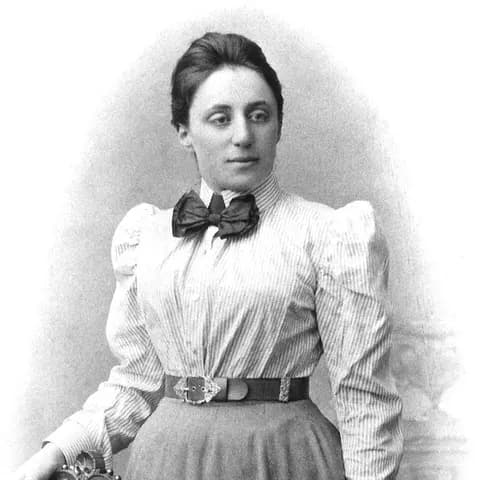 Emmy Noether Mathematician | 170+ |
| 2 | Maryam Mirzakhani Mathematician, 1977 to 2017 | 160 |
| 3 | Chien-Shiung Wu Physicist, 1912 to 1997 | 155 |
| 4 | Lise Meitner Physicist, 1878 to 1968 | 155 |
| 5 | Sofia Kovalevskaya Mathematician, 1850 to 1891 | 155 |
| 6 | Barbara McClintock Geneticist, 1902 to 1992 | 150 |
| 7 | Dorothy Hodgkin Chemist, 1910 to 1994 | 150 |
| 8 | Émilie du Châtelet Mathematician & Physicist, 1706 to 1749 | 150 |
| 9 | Grace Hopper Computer Scientist & Rear Admiral, 1906 to 1992 | 150 |
| 10 | Hannah Arendt Political Theorist, 1906 to 1975 | 150 |
| 11 | 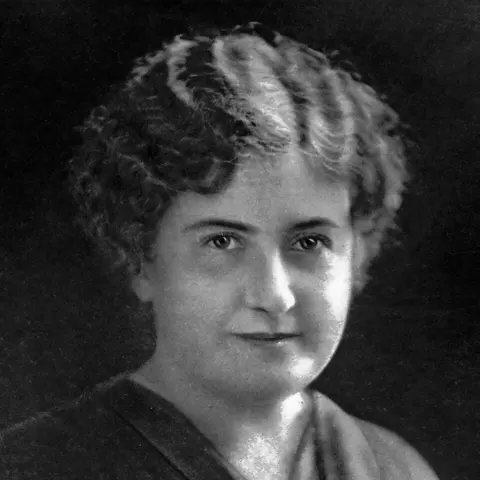 Maria Montessori Educator & Physician | 150+ |
| 12 | 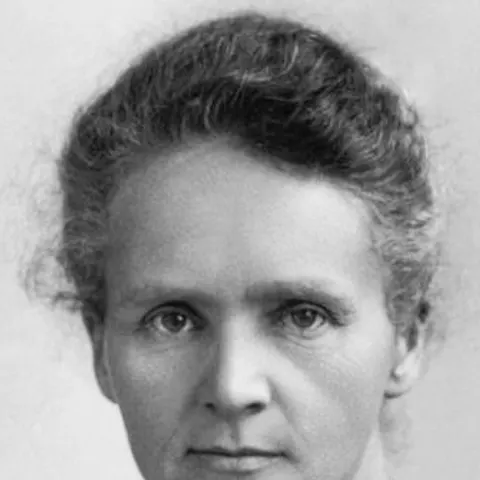 Marie Curie Physicist & Chemist, 1867 to 1934 | 150 |
| 13 | Mary Somerville Scientist & Writer, 1780 to 1872 | 150 |
| 14 | Rosalind Franklin Chemist & X-ray Crystallographer, 1920 to 1958 | 150+ |
| 15 | Simone de Beauvoir Philosopher & Feminist | 150+ |
| 16 | Sophie Germain Mathematician, 1776 to 1831 | 150 |
| 17 | 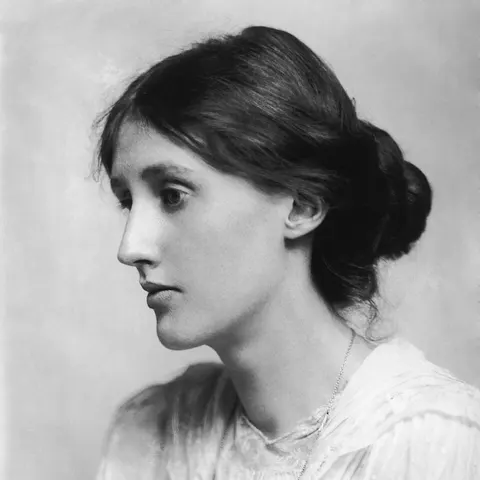 Virginia Woolf Novelist & Essayist | 150+ |
| 18 | 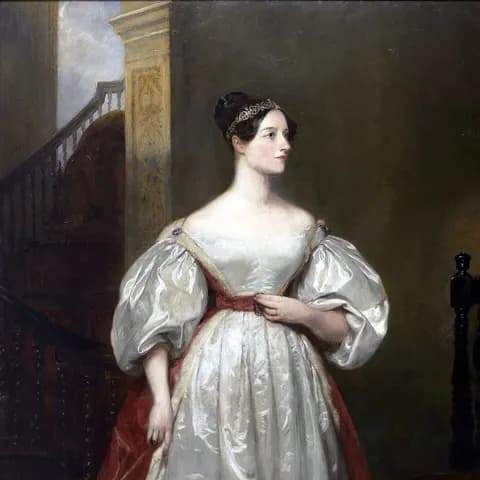 Ada Lovelace Mathematician (Early Computing), 1815 to 1852 | 145 |
| 19 | Florence Nightingale Nurse & Statistician, 1820 to 1910 | 145 |
| 20 | Helen Keller Author & Activist, 1880 to 1968 | 145 |
| 21 | 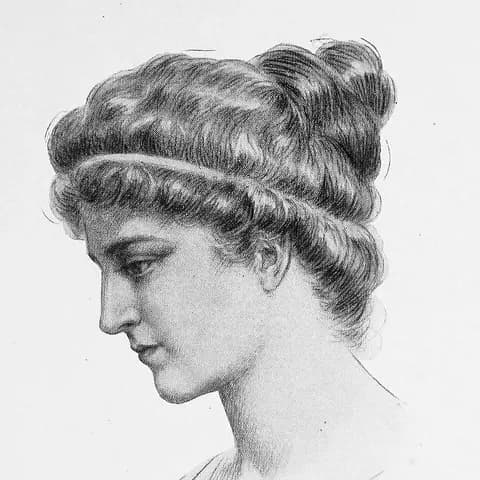 Hypatia Mathematician & Philosopher, c. 355 to 415 | 145+ |
| 22 | 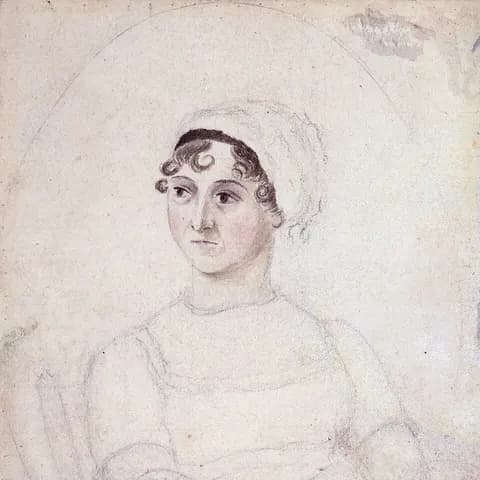 Jane Austen Novelist | 145+ |
| 23 | Katherine Johnson NASA Mathematician, 1918 to 2020 | 145 |
| 24 | Mary Shelley Novelist, 1797 to 1851 | 145 |
| 25 | 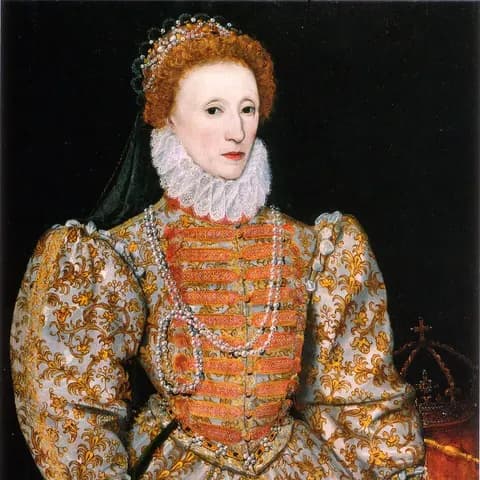 Queen Elizabeth I Queen of England | 145+ |
| 26 | Agatha Christie Crime Novelist, 1890 to 1976 | 140 |
| 27 | 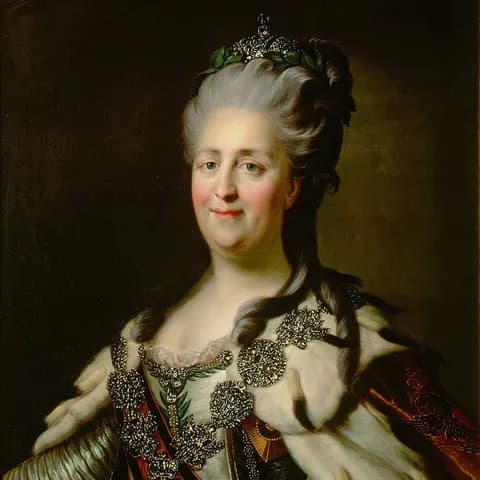 Catherine the Great Empress of Russia | 140+ |
| 28 | 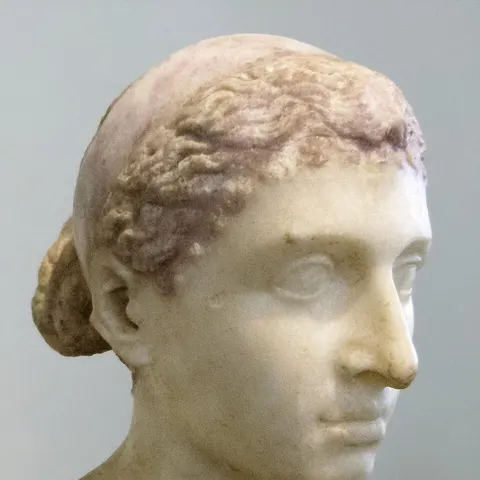 Cleopatra Pharaoh of Egypt, 69 to 30 BC | 140 |
| 29 | Hedy Lamarr Actress & Inventor, 1914 to 2000 | 140 |
| 30 | Indira Gandhi Indian Prime Minister | 140+ |
| 31 | Margaret Thatcher UK Prime Minister | 140+ |
| 32 | 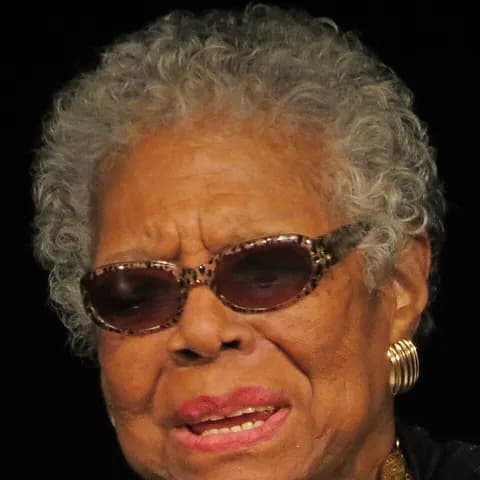 Maya Angelou Poet & Memoirist | 140+ |
| 33 | Rachel Carson Marine Biologist & Author, 1907 to 1964 | 140 |
| 34 | Wangari Maathai Environmentalist & Activist | 140+ |
| 35 | 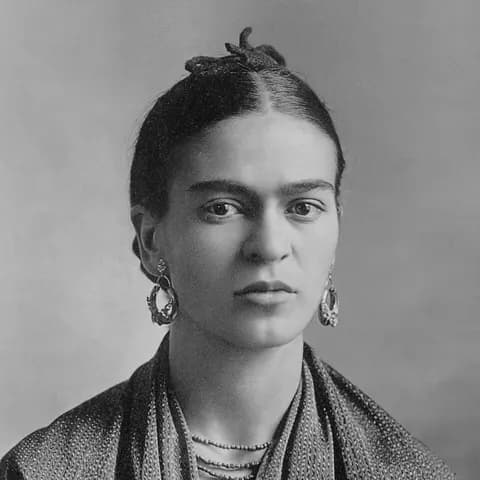 Frida Kahlo Artist | 130+ |
| 36 | 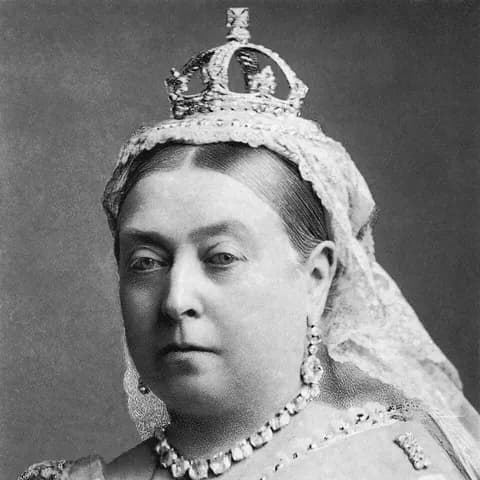 Queen Victoria Queen of the United Kingdom | 130+ |
| 37 | 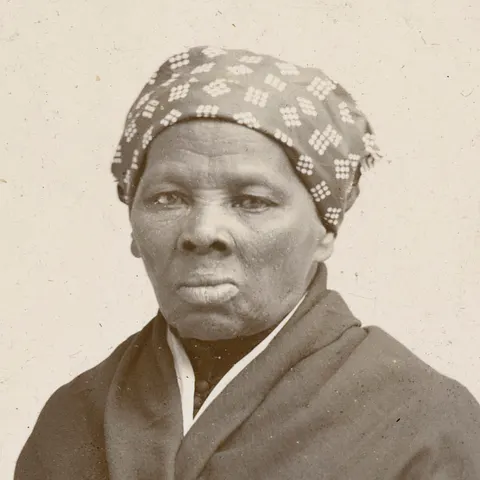 Harriet Tubman Abolitionist & Conductor | 125+ |
| 38 | Rosa Parks Civil Rights Activist | 125+ |
| 39 | 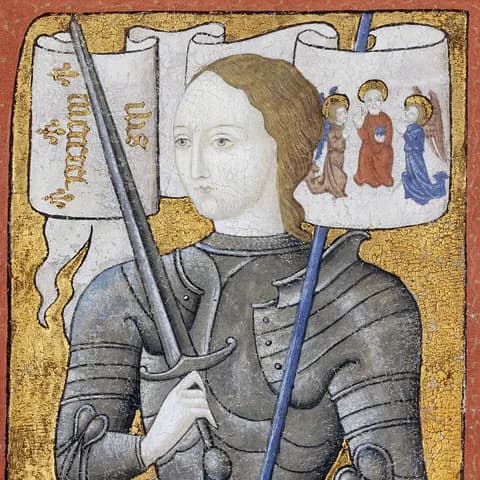 Joan of Arc French Military Leader | 120+ |
Estimate: the working figure on each profile, with its range. None is a measured test score unless the basis says so.
About this list
Catharine Cox's 1926 study rated 301 people, and only a handful were women, because the source list she drew on reflected who had been allowed to become eminent. That gap runs through every historical IQ list. Sophie Germain studied under a man's name; Emmy Noether lectured unpaid under a male colleague's name; Lise Meitner was left off the Nobel Prize for the fission she helped explain.
The estimates here follow exactly the same rules as for men: a documented study figure where one exists, otherwise an editorial marker built from the record, with a range and a confidence level. Where barriers limited what a woman could achieve or what was recorded, the profile says so, because an estimate built from achievement will understate people who were kept from achieving.
How would you score?
Where would you land next to Emmy Noether?
Emmy Noether's 170+ is an estimate from the historical record, with a working range of 155 to 180. On the standard IQ scale an IQ of 170 sits at the 99.99984th percentile: about 1 in 653,000 people score that high. Nobody can test Emmy Noether now. You can find out where you sit on the same scale.
- 100Average adult50th percentile
- 130Gifted linetop 2%, about 1 in 44
- 170+Emmy Noether's99.99984th percentile, about 1 in 653,000
- ?Youscored on the same scale
25 questions · about 12 minutes
What the ranking shows
Mathematicians and physicists lead: Emmy Noether, whose theorem links symmetry to conservation laws; Maryam Mirzakhani, the first woman to win the Fields Medal; Marie Curie, the only person to win Nobel Prizes in two sciences; and Ada Lovelace, who saw what a programmable machine could become. Their work offers the most concrete evidence of reasoning ability.
Rulers and reformers appear with wider ranges. Elizabeth I spoke several languages and outmanoeuvred a court of hostile men for 44 years; Catherine the Great corresponded with Voltaire; Harriet Tubman planned rescues without being able to read. Their intelligence was practical and political, and the markers are deliberately cautious.
Writers such as Jane Austen, Virginia Woolf and Mary Shelley are ranked on the documented record, not on style. Mary Shelley began Frankenstein at 18; Woolf educated herself in her father's library because her brothers went to Cambridge and she could not.
Who is not here, and why
Living women with famous claimed scores, such as Marilyn vos Savant, have their own profiles that trace where the number came from, but they are not mixed into a ranking of historical estimates. Women without a full profile yet are added as new batches are published.
Frequently asked questions
Who was the smartest woman in history?
What was Marie Curie's IQ?
Who has the highest IQ score ever recorded for a woman?
Why are there fewer women in historical IQ lists?
More IQ rankings
- The highest IQ scientists in history74 people, ranked with ranges and sources
- The highest IQ writers and poets in history33 people, ranked with ranges and sources
- The smartest kings, queens and emperors in history18 people, ranked with ranges and sources
- Every historical figure, rankedThe full index with confidence levels
- Famous IQs in historySearch and filter every profile by field and era
- All IQ rankingsPeople, characters, majors and universities
Where would you rank on this list?
Take the test and compare your score with the people above.
25 questions · about 12 minutes