The highest IQ scientists in history
Francis Galton leads this list of 74 scientists at 180+ (terman 1917 historiometric estimate). No scientist born before about 1900 ever took an IQ test, and very few since have published one, so every figure here is an estimate with a range and a source on its profile.
Francis Galton: 180+. What's yours?
25 questions · about 12 minutes
What would you score? Try question 1.
Which option completes the grid? One tap, no sign-up.
All 74, ranked
| # | Name | Estimate |
|---|---|---|
| 1 | 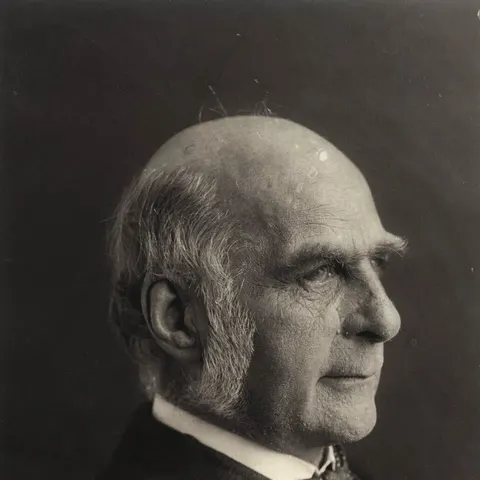 Francis Galton Polymath & Statistician, 1822 to 1911 | 180+ |
| 2 | 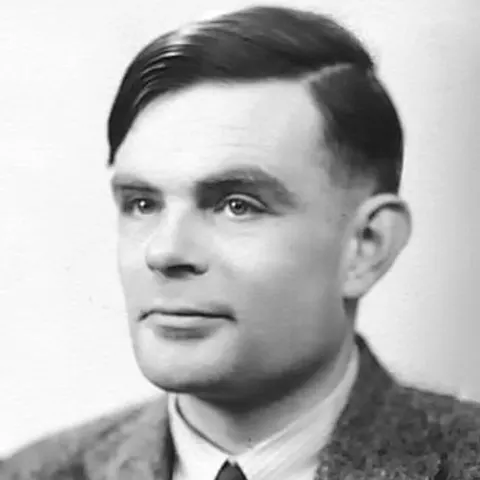 Alan Turing Mathematician & Computer Scientist | 170+ |
| 3 | 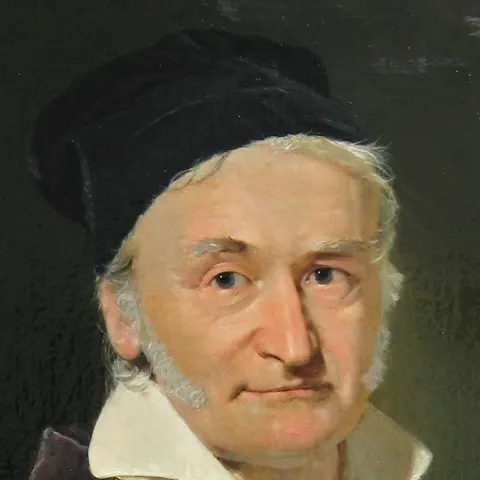 Carl Friedrich Gauss Mathematician & Physicist, 1777 to 1855 | 170+ |
| 4 | 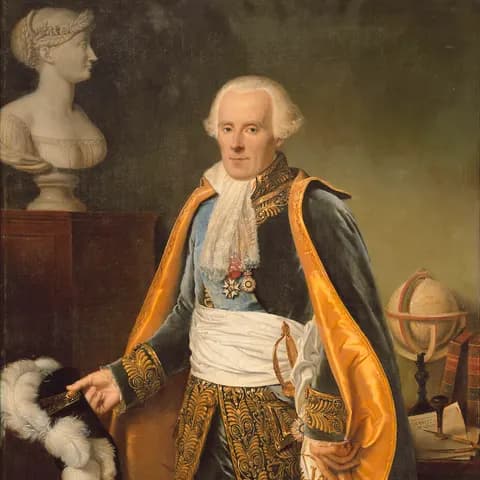 Pierre-Simon Laplace Mathematician & Astronomer, 1749 to 1827 | 170+ |
| 5 | 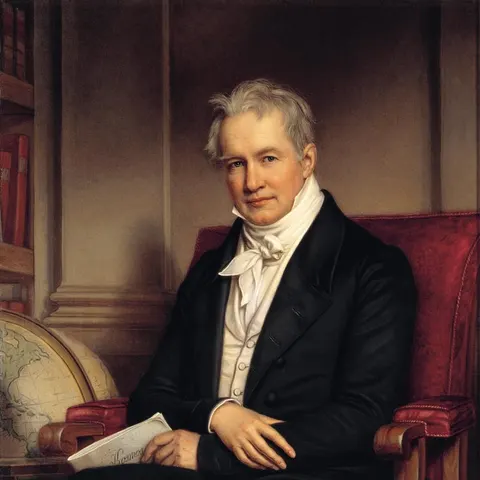 Alexander von Humboldt Naturalist & Explorer, 1769 to 1859 | 165+ |
| 6 | 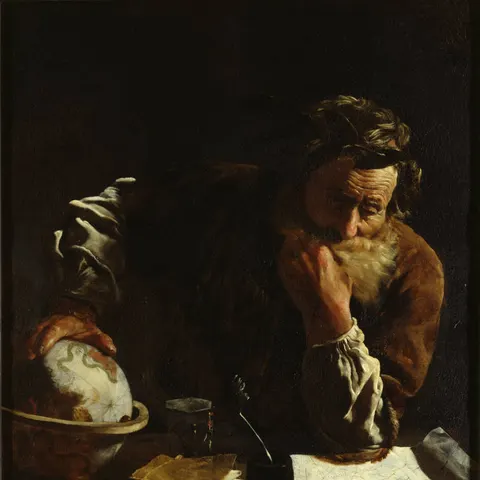 Archimedes Mathematician & Inventor, c. 287 to 212 BC | 165+ |
| 7 | Avicenna (Ibn Sina) Physician & Philosopher, 980 to 1037 | 165 |
| 8 | Henri Poincaré Mathematician & Physicist, 1854 to 1912 | 165 |
| 9 | 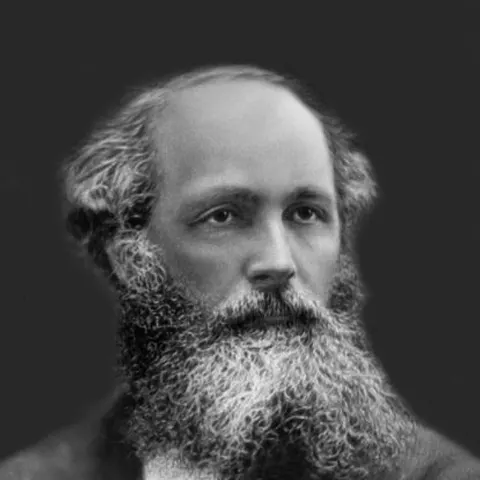 James Clerk Maxwell Theoretical Physicist, 1831 to 1879 | 165+ |
| 10 | Lev Landau Physicist, 1908 to 1968 | 165 |
| 11 | Murray Gell-Mann Physicist, 1929 to 2019 | 165 |
| 12 | 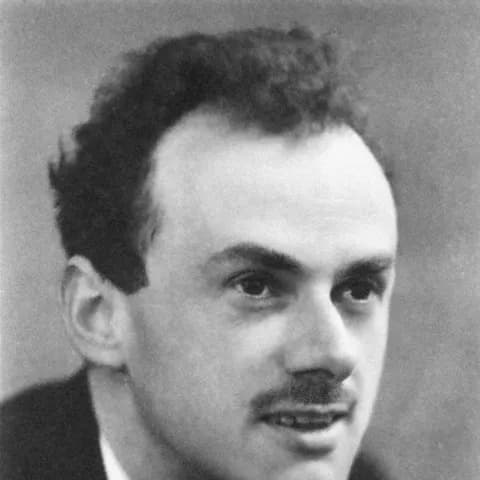 Paul Dirac Theoretical Physicist, 1902 to 1984 | 165+ |
| 13 | Thomas Young Physician & Polymath, 1773 to 1829 | 165 |
| 14 | Wolfgang Pauli Physicist, 1900 to 1958 | 165 |
| 15 | 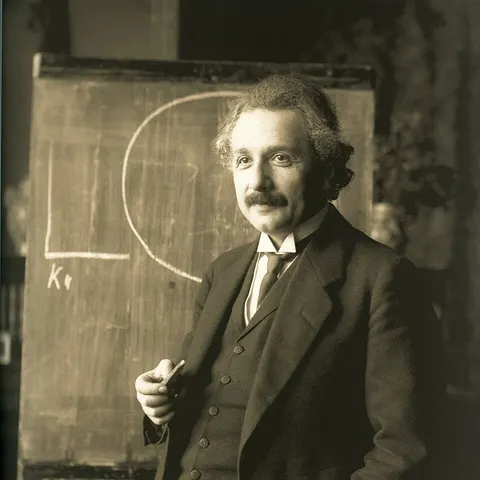 Albert Einstein Physicist, 1879 to 1955 | 160+ |
| 16 | Charles Babbage Mathematician & Inventor, 1791 to 1871 | 160 |
| 17 | Claude Shannon Mathematician & Engineer, 1916 to 2001 | 160 |
| 18 | 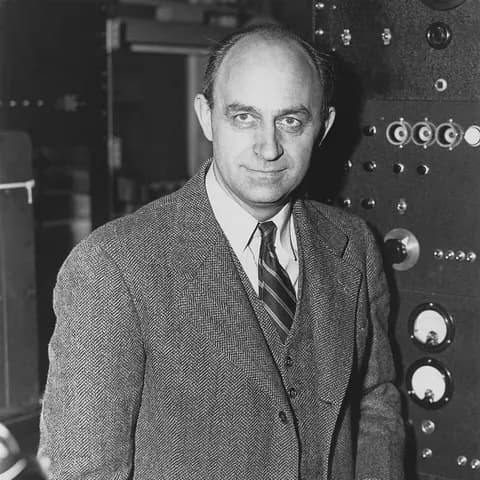 Enrico Fermi Physicist, 1901 to 1954 | 160+ |
| 19 | Erwin Schrödinger Physicist, 1887 to 1961 | 160 |
| 20 | Freeman Dyson Physicist & Mathematician, 1923 to 2020 | 160 |
| 21 | 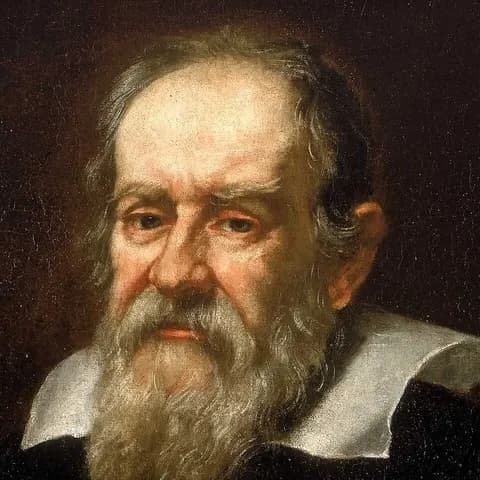 Galileo Galilei Astronomer & Physicist | 160+ |
| 22 | Ibn al-Haytham Mathematician & Physicist, c. 965 to c. 1040 | 160 |
| 23 | 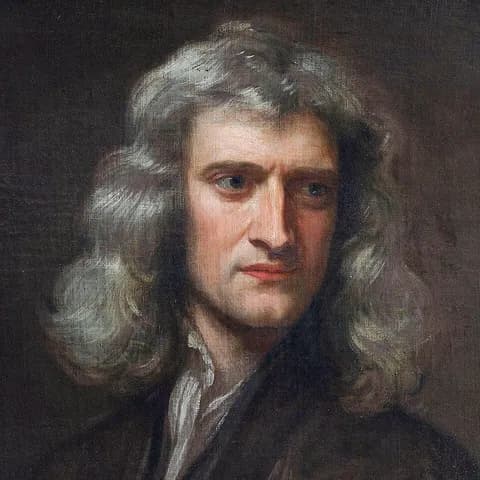 Isaac Newton Physicist & Mathematician, 1643 to 1727 | 160+ |
| 24 | Josiah Willard Gibbs Physicist & Chemist, 1839 to 1903 | 160 |
| 25 | Leo Szilard Physicist, 1898 to 1964 | 160 |
| 26 | Linus Pauling Chemist, 1901 to 1994 | 160 |
| 27 | Ludwig Boltzmann Physicist, 1844 to 1906 | 160 |
| 28 | 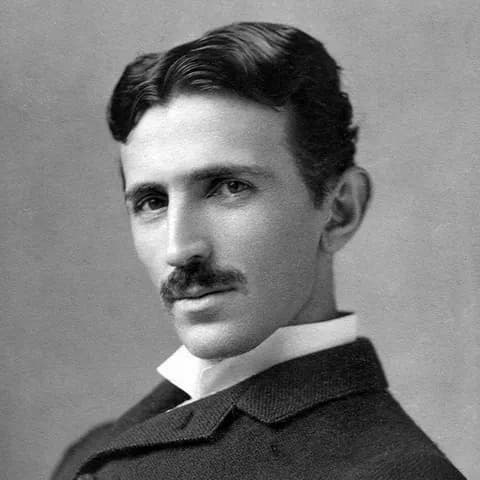 Nikola Tesla Inventor | 160+ |
| 29 | Richard Feynman Theoretical Physicist | 160+ |
| 30 | Robert Hooke Natural Philosopher & Architect, 1635 to 1703 | 160 |
| 31 |  Stephen Hawking Theoretical Physicist, 1942 to 2018 | 160+ |
| 32 | Subrahmanyan Chandrasekhar Astrophysicist, 1910 to 1995 | 160 |
| 33 | Chien-Shiung Wu Physicist, 1912 to 1997 | 155 |
| 34 | 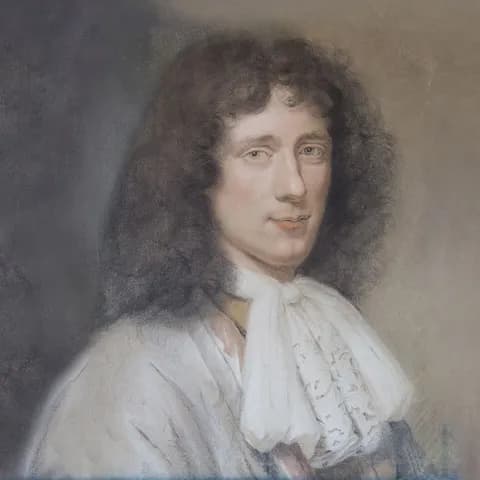 Christiaan Huygens Physicist & Astronomer, 1629 to 1695 | 155+ |
| 35 | Edward Teller Physicist, 1908 to 2003 | 155 |
| 36 | 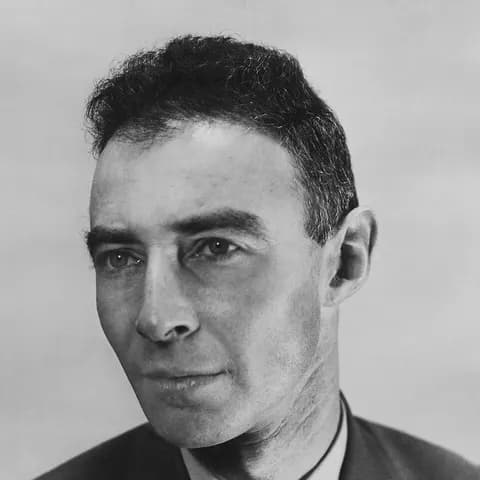 J. Robert Oppenheimer Theoretical Physicist, 1904 to 1967 | 155+ |
| 37 | 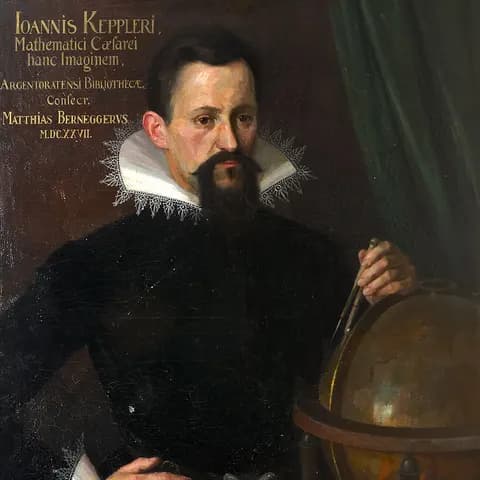 Johannes Kepler Astronomer & Mathematician, 1571 to 1630 | 155+ |
| 38 | Lise Meitner Physicist, 1878 to 1968 | 155 |
| 39 | 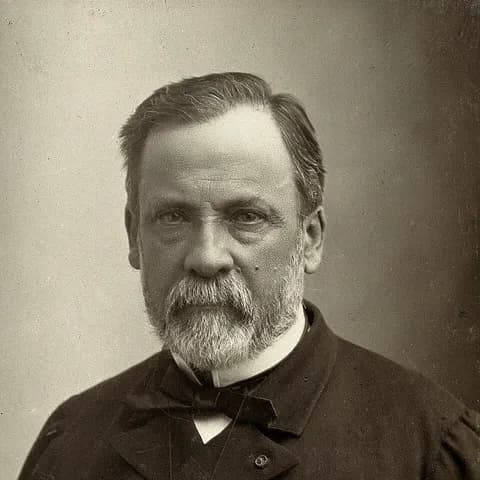 Louis Pasteur Microbiologist | 155+ |
| 40 | 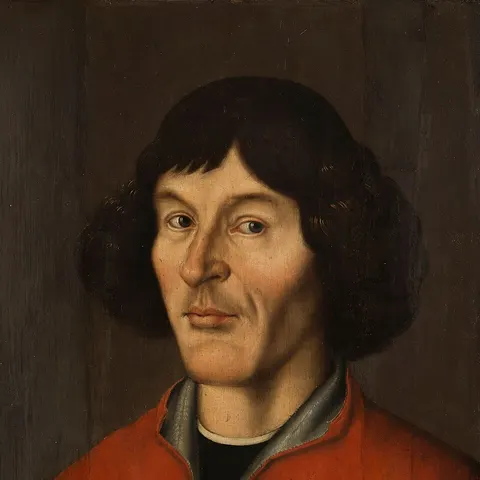 Nicolaus Copernicus Astronomer | 155+ |
| 41 | 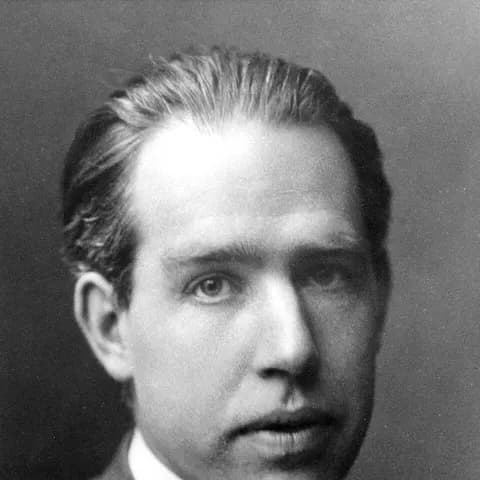 Niels Bohr Physicist, 1885 to 1962 | 155+ |
| 42 | Omar Khayyam Mathematician, Astronomer & Poet, 1048 to 1131 | 155 |
| 43 | Robert Boyle Chemist & Natural Philosopher, 1627 to 1691 | 155 |
| 44 | Werner Heisenberg Theoretical Physicist, 1901 to 1976 | 155+ |
| 45 | Al-Khwarizmi Mathematician & Astronomer, c. 780 to c. 850 | 150 |
| 46 | 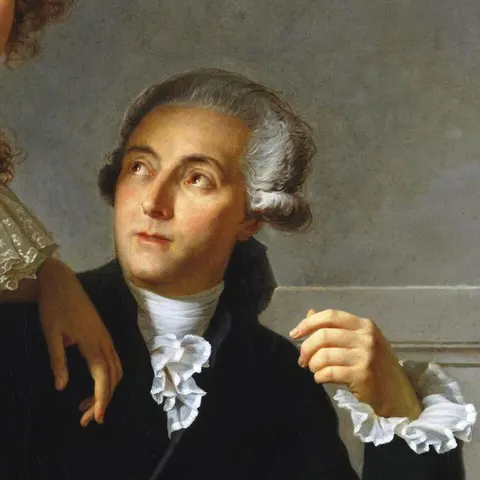 Antoine Lavoisier Chemist, 1743 to 1794 | 150+ |
| 47 | Barbara McClintock Geneticist, 1902 to 1992 | 150 |
| 48 | 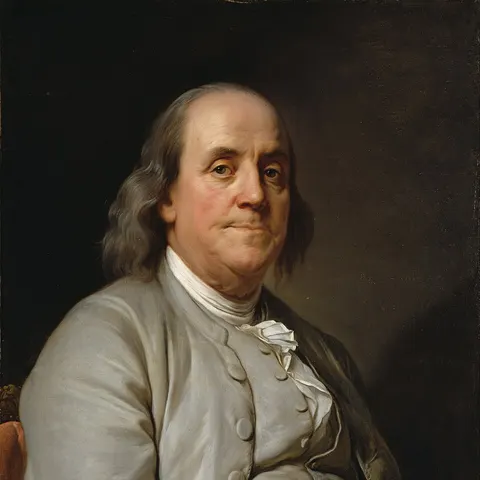 Benjamin Franklin Polymath & Founding Father | 150+ |
| 49 | Carl Linnaeus Botanist, 1707 to 1778 | 150 |
| 50 | 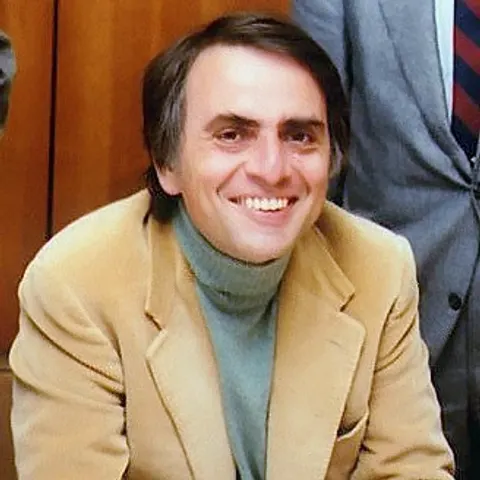 Carl Sagan Astronomer & Science Communicator | 150+ |
| 51 | 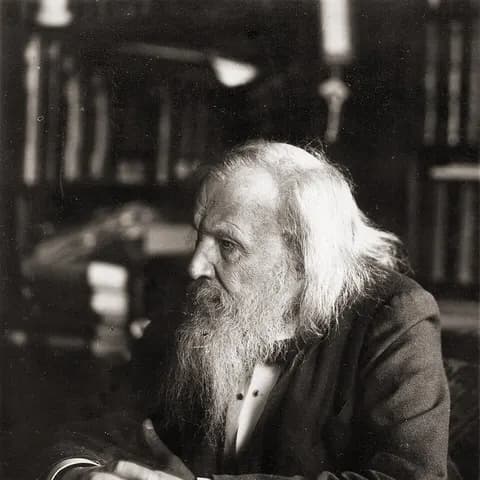 Dmitri Mendeleev Chemist, 1834 to 1907 | 150+ |
| 52 | Dorothy Hodgkin Chemist, 1910 to 1994 | 150 |
| 53 | Émilie du Châtelet Mathematician & Physicist, 1706 to 1749 | 150 |
| 54 | 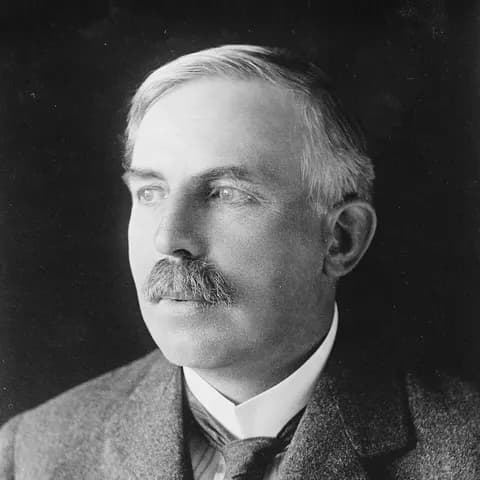 Ernest Rutherford Physicist, 1871 to 1937 | 150+ |
| 55 | Francis Crick Molecular Biologist, 1916 to 2004 | 150 |
| 56 | Humphry Davy Chemist, 1778 to 1829 | 150 |
| 57 | John Dalton Chemist & Physicist, 1766 to 1844 | 150 |
| 58 | 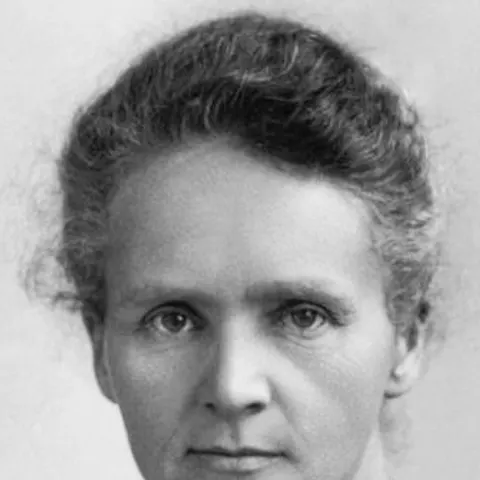 Marie Curie Physicist & Chemist, 1867 to 1934 | 150 |
| 59 | Mary Somerville Scientist & Writer, 1780 to 1872 | 150 |
| 60 | Max Planck Theoretical Physicist, 1858 to 1947 | 150+ |
| 61 | 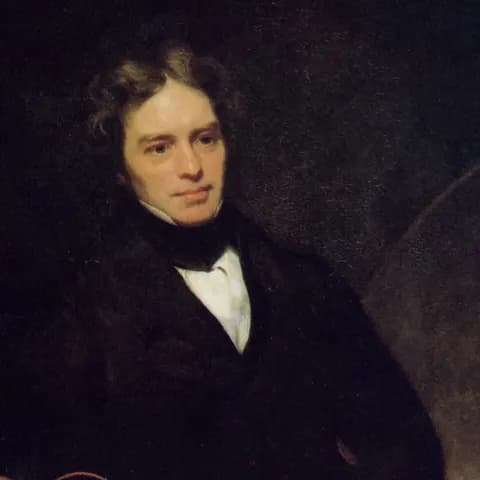 Michael Faraday Physicist & Chemist, 1791 to 1867 | 150+ |
| 62 | Rosalind Franklin Chemist & X-ray Crystallographer, 1920 to 1958 | 150+ |
| 63 | Tycho Brahe Astronomer, 1546 to 1601 | 150 |
| 64 | Edwin Hubble Astronomer, 1889 to 1953 | 145 |
| 65 | Gregor Mendel Scientist & Augustinian Friar, 1822 to 1884 | 145 |
| 66 | Hippocrates Physician, c. 460 to c. 370 BC | 145 |
| 67 | 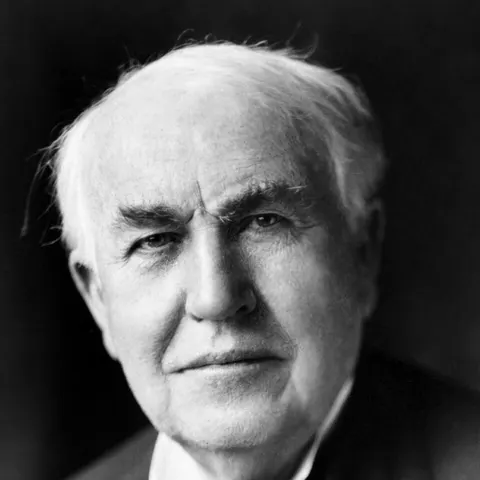 Thomas Edison Inventor & Businessman | 145 |
| 68 | Alexander Fleming Bacteriologist, 1881 to 1955 | 140 |
| 69 | 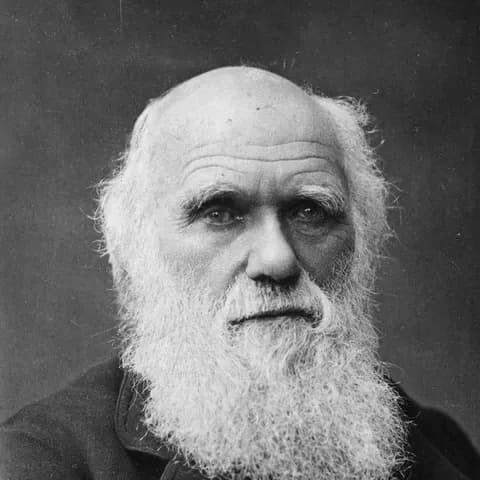 Charles Darwin Naturalist & Biologist | 140+ |
| 70 | Edward Jenner Physician, 1749 to 1823 | 140 |
| 71 | George Washington Carver Agricultural Scientist, c. 1864 to 1943 | 140 |
| 72 | Jonas Salk Virologist, 1914 to 1995 | 140 |
| 73 | Luis Alvarez Physicist, 1911 to 1988 | 130 |
| 74 | William Shockley Physicist, 1910 to 1989 | 130 |
Estimate: the working figure on each profile, with its range. None is a measured test score unless the basis says so.
About this list
This list covers the natural sciences: physics, chemistry, astronomy, biology and medicine. Pure mathematicians have their own ranking, and so do the psychologists who built IQ testing. Where Catharine Cox's 1926 study rated a scientist, the profile starts from her figure and adjusts it down for her high old scale; for scientists born after 1850, the number is an editorial marker built from the documented record and labelled as such.
The surprise for most readers is how few real test scores there are. Richard Feynman reported a school score of about 125. William Shockley and Luis Alvarez were screened for Lewis Terman's gifted study as children and not selected, then both won Nobel Prizes in physics. Those cases appear in the table with their documented numbers, and they are the best reminder on the page that an IQ test and a career in science measure different things.
How would you score?
Where would you land next to Francis Galton?
Francis Galton's 180+ is an estimate from the historical record, with a working range of 178 to 200. On the standard IQ scale an IQ of 180 sits at the 99.9999951st percentile: about 1 in 21 million people score that high. Nobody can test Francis Galton now. You can find out where you sit on the same scale.
- 100Average adult50th percentile
- 130Gifted linetop 2%, about 1 in 44
- 180+Francis Galton's99.9999951st percentile, about 1 in 21 million
- ?Youscored on the same scale
25 questions · about 12 minutes
What the ranking shows
The very top is held by people who combined theory with mathematics of their own making: Gauss, Laplace, Turing, Maxwell, Dirac and the quantum pioneers, with Galton's figure coming from Lewis Terman's 1917 study of his childhood. Cox's figures for the 17th and 18th centuries run highest, partly because their childhoods are well documented and partly because her scale was built that way. Read Cox-based and editorial figures as two different kinds of evidence, not as one continuous scale.
Many of the most important experimental scientists sit lower. Faraday left school at 13, Darwin was an average student, and Fleming's great discovery came from noticing a contaminated dish. Experimental science rewards patience, observation and luck as much as speed of reasoning, and the editorial markers try to respect that rather than inflate everyone to genius level.
Women are under-represented for reasons that have nothing to do with ability. Lise Meitner, Chien-Shiung Wu, Rosalind Franklin and Dorothy Hodgkin all worked against open exclusion, and most women of earlier centuries were kept out of science entirely. Their estimates are kept on the same rules as everyone else.
How the numbers are built
Each profile states its basis in plain words: a Cox 1926 figure from a secondary tabulation, a documented test, or an editorial marker with very low confidence. The range is the honest part. When two careful readers could place a scientist ten points apart, the range shows that, and the headline is only the midpoint we use for comparison.
Frequently asked questions
Which scientist had the highest IQ?
What was Einstein's IQ?
Do you need a high IQ to be a scientist?
Why are some scientists missing?
More IQ rankings
- The highest IQ mathematicians in history42 people, ranked with ranges and sources
- The highest IQ Nobel Prize winners35 people, ranked with ranges and sources
- The smartest women in history39 people, ranked with ranges and sources
- Every historical figure, rankedThe full index with confidence levels
- Famous IQs in historySearch and filter every profile by field and era
- All IQ rankingsPeople, characters, majors and universities
Where would you rank on this list?
Take the test and compare your score with the people above.
25 questions · about 12 minutes