The highest IQ Nobel Prize winners
Lev Landau has the highest estimate among the 35 Nobel laureates profiled here, 165. Two of the laureates below, William Shockley and Luis Alvarez, were tested as children for Lewis Terman's study of gifted children and not selected; that is the clearest evidence on this site that a Nobel Prize and a high childhood IQ score are different things.
Lev Landau: 165. What's yours?
25 questions · about 12 minutes
What would you score? Try question 1.
Which option completes the grid? One tap, no sign-up.
All 35, ranked
| # | Name | Estimate |
|---|---|---|
| 1 | Lev Landau Physicist, 1908 to 1968 | 165 |
| 2 | Murray Gell-Mann Physicist, 1929 to 2019 | 165 |
| 3 | 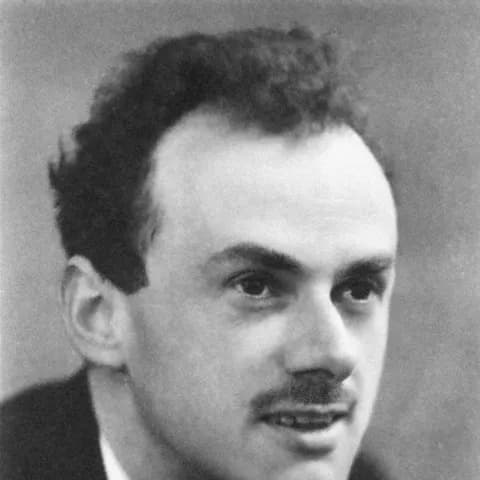 Paul Dirac Theoretical Physicist, 1902 to 1984 | 165+ |
| 4 | Wolfgang Pauli Physicist, 1900 to 1958 | 165 |
| 5 | 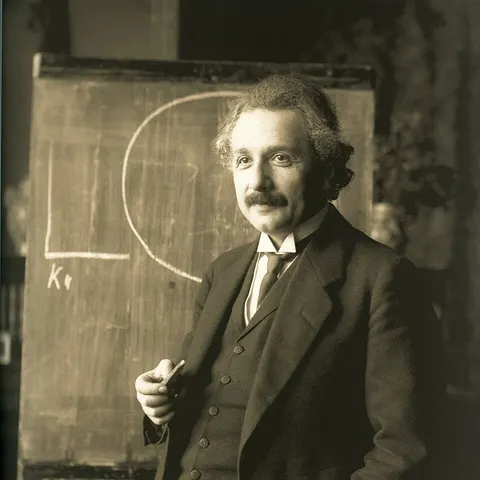 Albert Einstein Physicist, 1879 to 1955 | 160+ |
| 6 | 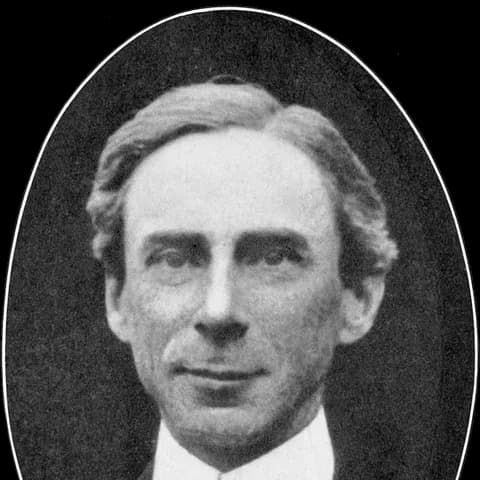 Bertrand Russell Philosopher & Logician, 1872 to 1970 | 160+ |
| 7 | 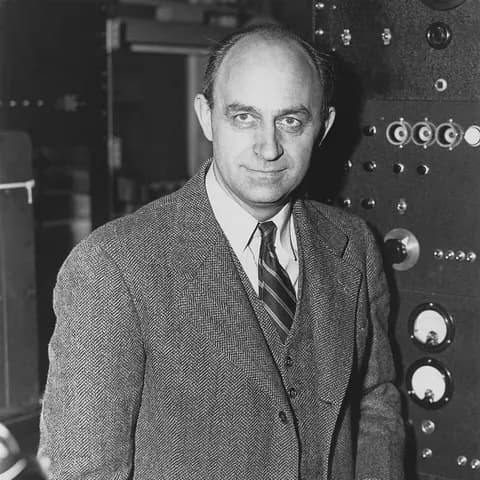 Enrico Fermi Physicist, 1901 to 1954 | 160+ |
| 8 | Erwin Schrödinger Physicist, 1887 to 1961 | 160 |
| 9 | Linus Pauling Chemist, 1901 to 1994 | 160 |
| 10 | Richard Feynman Theoretical Physicist | 160+ |
| 11 | Subrahmanyan Chandrasekhar Astrophysicist, 1910 to 1995 | 160 |
| 12 | Jimmy Carter 39th US President, 1924 to 2024 | 157 |
| 13 | John Nash Mathematician, 1928 to 2015 | 155 |
| 14 | 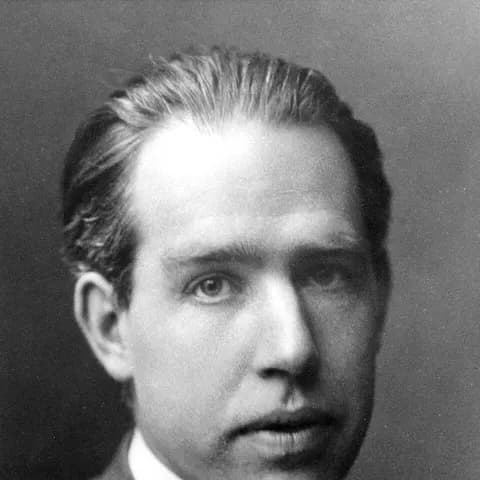 Niels Bohr Physicist, 1885 to 1962 | 155+ |
| 15 | Werner Heisenberg Theoretical Physicist, 1901 to 1976 | 155+ |
| 16 | Woodrow Wilson 28th US President, 1856 to 1924 | 155 |
| 17 | Barbara McClintock Geneticist, 1902 to 1992 | 150 |
| 18 | Dorothy Hodgkin Chemist, 1910 to 1994 | 150 |
| 19 | 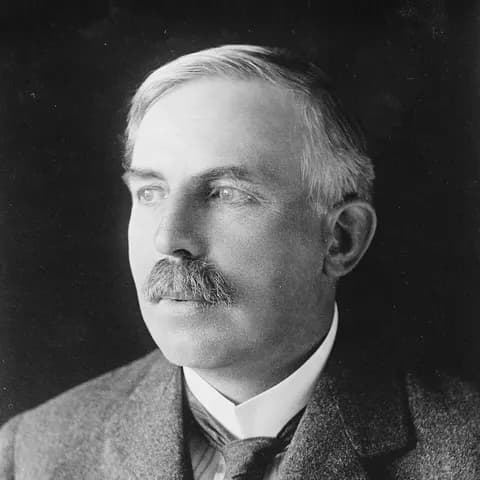 Ernest Rutherford Physicist, 1871 to 1937 | 150+ |
| 20 | Francis Crick Molecular Biologist, 1916 to 2004 | 150 |
| 21 | Jean-Paul Sartre Philosopher & Writer, 1905 to 1980 | 150 |
| 22 | 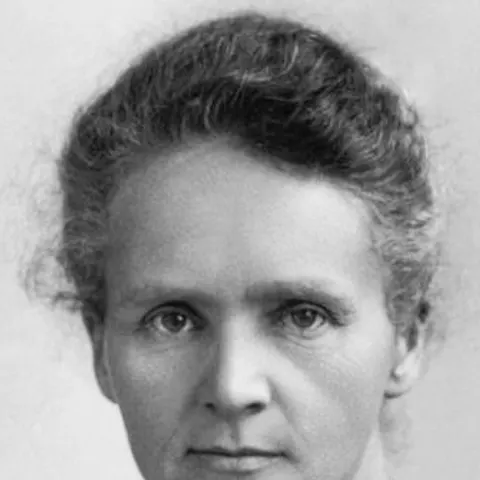 Marie Curie Physicist & Chemist, 1867 to 1934 | 150 |
| 23 | Max Planck Theoretical Physicist, 1858 to 1947 | 150+ |
| 24 | Albert Camus Writer & Philosopher, 1913 to 1960 | 145 |
| 25 | Ivan Pavlov Physiologist, 1849 to 1936 | 145 |
| 26 | 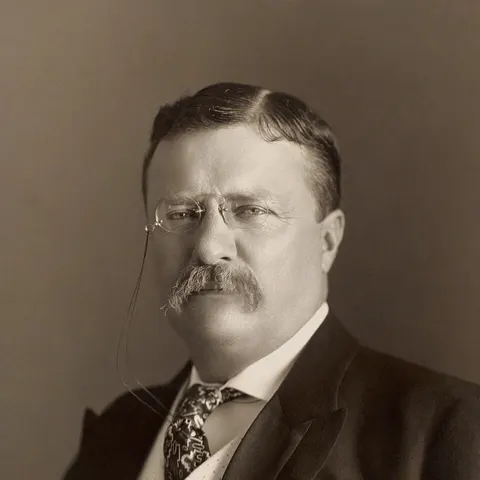 Theodore Roosevelt US President | 145+ |
| 27 | Alexander Fleming Bacteriologist, 1881 to 1955 | 140 |
| 28 |  Ernest Hemingway Novelist & Journalist | 140+ |
| 29 | Guglielmo Marconi Inventor, 1874 to 1937 | 140 |
| 30 | Wangari Maathai Environmentalist & Activist | 140+ |
| 31 |  Winston Churchill Prime Minister, 1874 to 1965 | 135 |
| 32 | Luis Alvarez Physicist, 1911 to 1988 | 130 |
| 33 |  Martin Luther King Jr. Civil Rights Leader, 1929 to 1968 | 130+ |
| 34 | Nelson Mandela Anti-Apartheid Revolutionary | 130+ |
| 35 | William Shockley Physicist, 1910 to 1989 | 130 |
Estimate: the working figure on each profile, with its range. None is a measured test score unless the basis says so.
About this list
The Nobel Prizes, first awarded in 1901, cover physics, chemistry, medicine, literature and peace, and since 1969 economics through a separate memorial prize. Almost every laureate here was born after 1850, outside Cox's 1926 study; the numbers are editorial markers from the documented record, plus the handful of reported test results that exist.
Those test results are revealing. Richard Feynman reported a school score of about 125. Shockley and Alvarez were screened out of Terman's gifted study. John F. Kennedy is not here, but his reported school score of 119 makes the same point from another field. Childhood scores predict a lot, but not who will win a Nobel Prize.
How would you score?
Where would you land next to Lev Landau?
Lev Landau's 165 is an estimate from the historical record, with a working range of 150 to 180. On the standard IQ scale an IQ of 165 sits at the 99.99926th percentile: about 1 in 136,000 people score that high. Nobody can test Lev Landau now. You can find out where you sit on the same scale.
- 100Average adult50th percentile
- 130Gifted linetop 2%, about 1 in 44
- 165Lev Landau's99.99926th percentile, about 1 in 136,000
- ?Youscored on the same scale
25 questions · about 12 minutes
What the ranking shows
Theoretical physicists dominate the top: Einstein, Dirac, Pauli, Landau and Gell-Mann did work that is almost pure mathematical reasoning about nature. Their markers are high, but so are their ranges, because none was tested and the comparison between them rests on judgement.
Laureates in peace and literature sit lower on average, which says more about the method than the people. Estimates built from documented intellectual achievement favour scientists; courage, moral leadership and literary style do not convert into points. Martin Luther King Jr. and Nelson Mandela changed history in ways no IQ estimate can rank.
The prize itself is not evidence of a particular IQ. Committees reward a discovery or a body of work, often decades later, and luck and collaboration matter. Shockley and Alvarez won physics prizes; Lise Meitner, whose estimate is higher than many laureates', was never awarded one.
Frequently asked questions
Which Nobel Prize winner had the highest IQ?
What was Richard Feynman's IQ?
Were any Nobel winners rejected from gifted programmes?
What IQ do you need to win a Nobel Prize?
More IQ rankings
- The highest IQ scientists in history74 people, ranked with ranges and sources
- The smartest women in history39 people, ranked with ranges and sources
- The smartest US presidents22 people, ranked with ranges and sources
- Every historical figure, rankedThe full index with confidence levels
- Famous IQs in historySearch and filter every profile by field and era
- All IQ rankingsPeople, characters, majors and universities
Where would you rank on this list?
Take the test and compare your score with the people above.
25 questions · about 12 minutes