Raphael IQ
Raphael's IQ is estimated at 148 to 170. Catharine Cox's 1926 study gave him a corrected 170; he never took a test. He painted The School of Athens in his twenties and died at 37.
Raphael's IQ is 150+. What's yours?
25 questions · about 12 minutes
Key facts
- Estimated IQ
- 150+
- Known for
- The School of Athens and the Vatican Stanze
- Lived
- Painter & Architect, 1483–1520
- Basis
- Cox 1926 historiometric estimate
- Confidence
- Low. Raphael died in 1520. No IQ test was ever given; the figure comes from a 1926 study that rated historical figures from biographies.
Cox's corrected estimate for Raphael was 170. His paintings and workshop show composition and organising ability, which IQ captures only in part.
What was Raphael's IQ?
Raphael never took an IQ test. Catharine Cox's 1926 study gave him a corrected estimate of 170. Adjusted for the Flynn effect that is about 148, so LifeScore uses a range of 148 to 170, with 150+ as the marker. His paintings are the evidence.
What is The School of Athens?
It is a fresco in the Vatican, painted from about 1509 to 1511, showing Greek philosophers and scientists in one great hall. Plato and Aristotle stand at the centre. Raphael is said to have given Plato the face of Leonardo da Vinci and Heraclitus that of Michelangelo.
How did Raphael die so young?
He died on 6 April 1520, aged 37, after a short fever. Vasari blamed a night of excess, but historians suspect an infection. He was buried in the Pantheon in Rome, and the scale of his unfinished work at death shows how busy he was.
Where does the 170 figure come from?
The 170 is Catharine Cox's corrected estimate from her 1926 study of 301 eminent people born between 1450 and 1850. She rated each person from biographical records of what they could do as a child and young adult, then corrected for gaps in the record.
Cox's numbers sit on an old ratio-IQ scale. One secondary tabulation subtracts about 22 points for the Flynn effect, which puts Raphael near 150.
LifeScore lists 150+, and the working range of 150 to 170 spans both figures. None of them is a test result.
How smart was Raphael?
- 01
The School of Athens
He painted it from about 1509 to 1511 in the Vatican, in his late twenties. - 02
The Sistine Madonna
His c. 1512 altarpiece is among the best-known paintings in the world. - 03
Architect of St Peter's
In 1514 the pope named him chief architect of the new basilica. - 04
A large workshop
He ran a team of assistants that produced tapestry designs, frescoes and portraits at scale.
How Raphael thought
Raphael learned from everyone. He studied Perugino, then Leonardo and Michelangelo in Florence and Rome, took what worked and built his own balanced compositions. He planned large works with careful drawings, then delegated parts to a trained workshop.
The evidence behind the estimate
An estimate built from the historical record, not a recovered test score.
What supports it
- Cox's 1926 study gave Raphael a corrected estimate of 170, which falls to about 148 after a Flynn-effect adjustment.
- He painted The School of Athens from about 1509 to 1511 in the Vatican.
- In 1514 he became chief architect of St Peter's Basilica.
What it cannot prove
- Artistic ability is a specialised skill that general IQ tests do not target.
- A large workshop means that not every work is entirely by his hand.
- Cox's scale runs higher than modern deviation IQ, by roughly 22 points in one tabulation.
Raphael compared with Michelangelo, da Vinci, Rembrandt
| Figure | Estimate | Range |
|---|---|---|
| Raphael | 150+ | 150–170 |
| Michelangelo | 155+ | 155–180 |
| Leonardo da Vinci | 160+ | 160–180 |
| Rembrandt van Rijn | 145+ | 135–155 |
Psychological profile
Raphael's IQ is represented here by a retrospective estimate of 150+, not a verified test result. Raphael is best known for exceptional composition. The useful question is what the surviving evidence shows, not whether a precise modern score can be recovered.
Gracious, quick and good at organising. Absorbed the lessons of older masters and ran a large workshop with ease.
The dominant archetype here is The Artist. This archetype shapes decision patterns: what feels natural, what creates friction, and what blind spots tend to emerge.
Estimated IQ is 150+. This is a rough estimate based on documented accomplishments and contemporary accounts, not a literal measurement.
Key traits
Composition
He trained under Perugino and was a master painter in his own right by 17 or so.Workshop Leadership
He was known for a friendly manner, unlike many of his rivals.Absorbing Influences
He also studied antiquities in Rome and proposed a survey of its ancient buildings.
One thing most people do not know
Raphael was engaged to Maria Bibbiena, the niece of a cardinal, but never married her, and died in 1520.
Raphael: common questions
Was Raphael a genius?
What personality type was Raphael?
What can we learn from Raphael?
More famous IQs
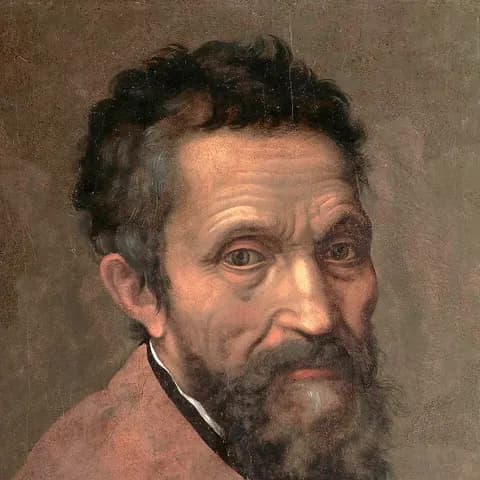 Michelangelo IQArtist & Sculptor155+
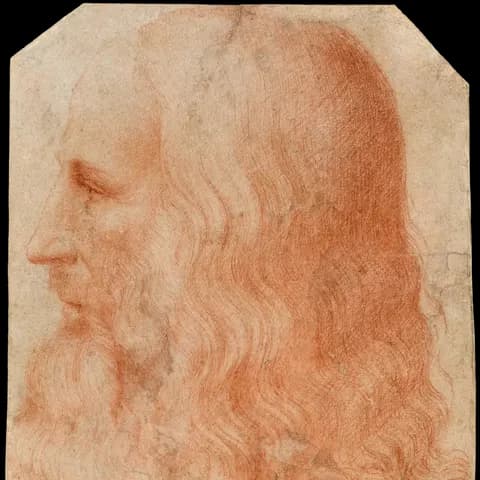 Leonardo da Vinci IQPolymath160+
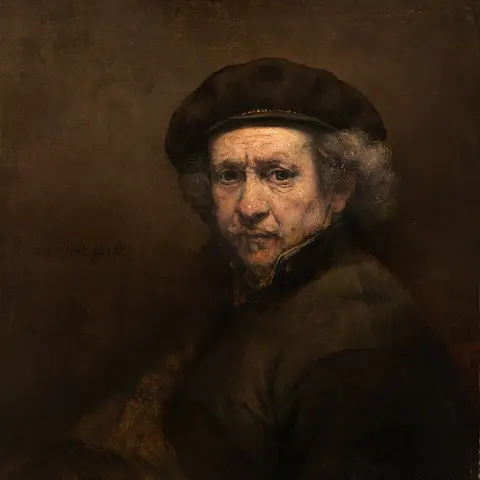 Rembrandt van Rijn IQPainter145+
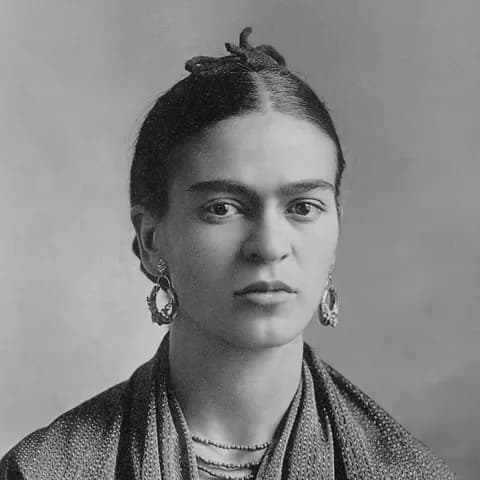 Frida Kahlo IQArtist130+
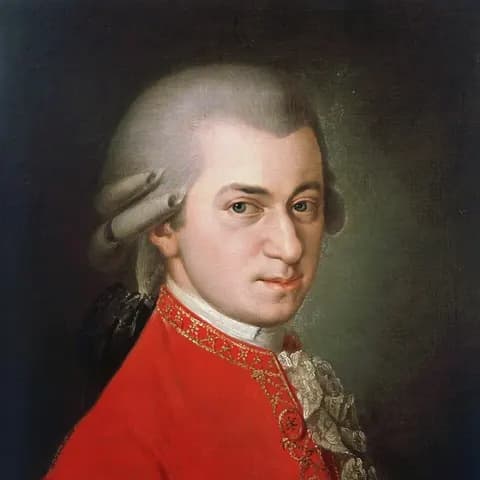 Wolfgang Amadeus Mozart IQComposer165+
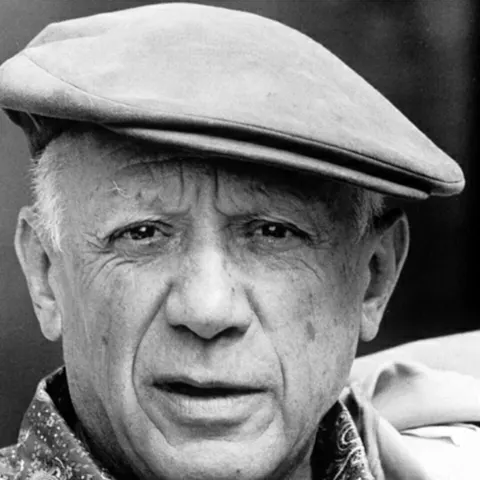 Pablo Picasso IQArtist145+
- Vincent van Gogh IQArtist135+
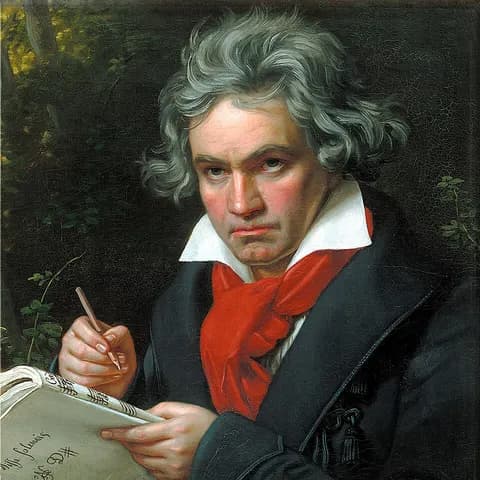 Ludwig van Beethoven IQComposer155+
Keep exploring
- All famous IQs, ranked157 figures with ranges and sources
- What an IQ of 150 meansPercentile, rarity and classification
- What an IQ of 170 meansPercentile, rarity and classification
- Quick Pattern RecognitionSigns of high intelligence
- Rapid Learning SpeedSigns of high intelligence
- Einstein IQ testA short visual reasoning challenge
Raphael's IQ is 150+. What's yours?
Raphael's estimate comes from the historical record. Yours can come from a real test: 25 visual reasoning questions.
25 questions · about 12 minutes
Sources
- Raphael, Encyclopaedia Britannica. Biography covering his training, the Vatican frescoes and his work as an architect.
- The Early Mental Traits of Three Hundred Geniuses (Cox, 1926), Stanford University Press, via Internet Archive. The original historiometric study. Cox rated 301 eminent people born 1450 to 1850 from records of their childhood and youth.
- Cox's IQ estimates of 301 eminent geniuses, IQ Comparison Site. Secondary tabulation of Cox's corrected estimates, with a version adjusted by about 22 points for the Flynn effect.
- Cox, C. M. (1926). The Early Mental Traits of Three Hundred Geniuses. Stanford University Press.
- Simonton, D. K. (2009). Genius 101. Springer.
- Cattell, R. B. (1971). Abilities: Their Structure, Growth, and Action. Houghton Mifflin.
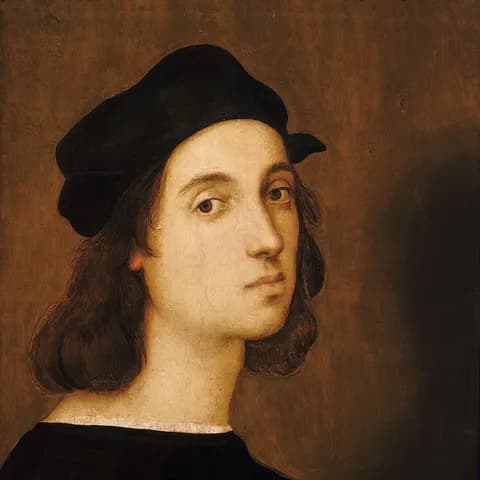
- Portrait: Raphael · Public domain · Wikimedia Commons
Last reviewed September 2026. How we estimate historical IQ